

How to Tell If an Antique Rug Is Worth Restoring: Appraisal & Repair

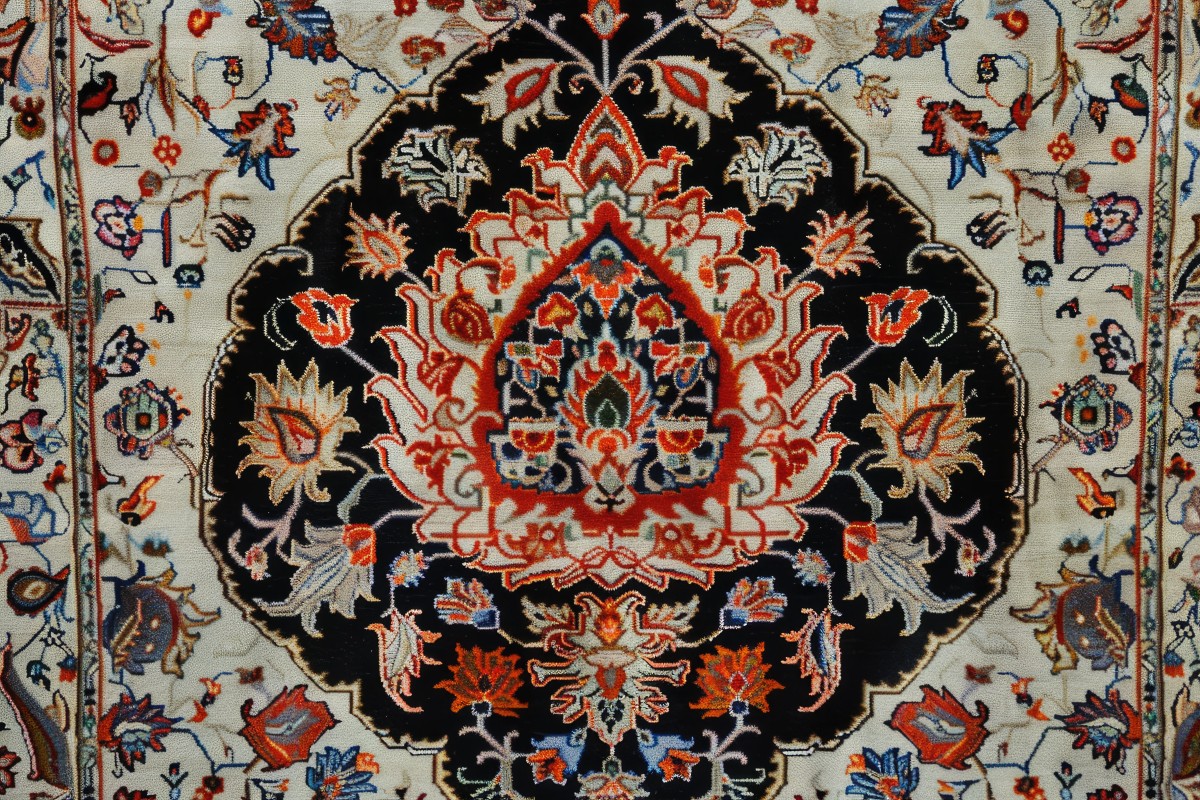
Scheduling an antique oriental rug appraisal in Berkeley is often the first step homeowners take after inheriting an aged Persian runner or pulling an inherited family heirloom out of storage. When an antique hand-knotted piece exhibits frayed fringes, bare patches, pet staining, or moth nibbles, deciding whether to invest in traditional restoration can feel like a gamble. Restoring an authentic hand-woven textile requires meticulous manual labor, hand-spun wool matching, and natural vegetable dyes—investments that make sense only if the underlying textile has genuine historical, artistic, or financial value.
In this comprehensive guide, you will learn how appraisers determine an antique rug’s true provenance and condition, how to assess structural foundation integrity versus cosmetic pile loss, how to calculate the financial balance between restoration costs and retail market value, and what professional conservation steps protect your textile for generations.
Provenance, Age, and Rarity: The Core Valuation Factors
Arranging an antique oriental rug appraisal in Berkeley clarifies where and when your textile was woven. Many homeowners assume that every old rug is valuable, while others dismiss worn, dusty pieces that turn out to be rare late-nineteenth-century village weavings.
Appraisers look at distinct origin characteristics to establish baseline rarity:
- City vs. Village and Tribal Weavings: Workshop rugs from cities like Kashan, Isfahan, Tabriz, and Sarouk were woven from detailed cartoon grids, featuring high knot density and intricate floral curves. In contrast, nomadic and village rugs from tribal groups such as the Qashqai, Bakhtiari, or Heriz were woven from memory, celebrated for their bold geometric motifs and unique organic variations.
- Pre-1920 Natural Dyes: Textiles woven before the widespread commercialization of synthetic chrome dyes in the 1920s used natural colorants derived from madder root (reds), indigo (blues), weld or larkspur (yellows), and walnut husks (browns). Natural dyes age with a soft, multi-tonal patina known as abrash, which significantly increases collector interest.
- Wool and Fiber Sourcing: High-elevation Karakul or kurk wool contains high natural lanolin levels. This wool retains its sheen and durability across a century of foot traffic, whereas inferior wool becomes brittle and chalky.
If you want to understand the weaving origins and regional patterns in your collection, our authentic Persian and oriental rug identification guide offers helpful visual benchmarks.
Evaluating Physical Damage: Structural Issues vs. Surface Wear
Before committing to repair work, an antique oriental rug appraisal in Berkeley helps you distinguish manageable surface wear from irreversible foundation decay. Hand-knotted rugs are built around an internal skeleton formed by vertical warp threads and horizontal weft threads; if this skeleton is intact, most surface issues can be successfully reversed.
| Damage Type | Structural Severity | Common Repair Method | Restoration Feasibility |
| Fringe Unraveling | Moderate (spreads quickly) | Securing end-stops with a blanket stitch or chain knot | Highly feasible; prevents loss of pile knots |
| Selvedge (Side Cord) Wear | Low to Moderate | Hand-wrapping exposed wool cords with matching yarn | Straightforward; preserves lateral tension |
| Low Pile / Foot Traffic Wear | Low (mostly cosmetic) | Re-knotting pile or leaving as authentic historic wear | Feasible; collectors often prefer original low pile |
| Dry Rot (Cellulose Degradation) | Severe (structural failure) | Wet backing patches or localized structural support | Rarely feasible; weak fibers tear easily under tension |
| Active Moth Damage | Moderate to High | Thorough submersion washing followed by re-weaving | Highly feasible once pest larvae are eliminated |
The “Dry Rot” Test
Dry rot occurs when a natural-fiber rug suffers prolonged water exposure, often from a leaking planter pot or damp basement storage. Mildew feeds on cotton foundation warps, turning the cellulose brittle. Gently fold a corner of the rug inward with the pile facing up; if you hear an audible crack or feel fibers snap, the structural foundation has rotted, which generally makes extensive re-knotting cost-prohibitive.
Fringe and Edge Protection
Fringes are not decorative tassels glued to the ends; they are the exposed tail-ends of the structural warp threads. When the fringe unravels, the individual hand-tied pile knots slide off the foundation. Stopping unraveling early through simple hand-serging preserves thousands of knots without requiring expensive rebuilds.
The Financial Equation: Weighing Restoration Costs Against Market Value
A formal antique oriental rug appraisal in Berkeley provides the objective retail replacement value and fair market auction value you need to weigh against repair quotes. Hand restoration requires matching knot density, re-spinning wool to the correct gauge, and dye-matching shades that match a hundred years of light exposure. Because master re-weaving is performed knot-by-knot by skilled artisans, extensive structural rebuilds can quickly require hundreds of hours.
The decision to restore typically falls into a clear economic framework based on market appraisal outcomes:
| Appraisal Scenario | Cost vs. Market Ratio | Primary Recommendation | Strategic Focus |
| Economically Sound Investment | Repair cost is under 50% of post-restoration value | Proceed with full professional restoration | Complete re-weaving, fringe reconstruction, and natural dye-matched repair to preserve market equity. |
| Sentimental or Historical Heirloom | Repair cost approaches or exceeds 100% of market value | Opt for stabilization and structural conservation | Secure the end-stops, reinforce fragile edges, and immersion-wash without attempting expensive knot-by-knot rebuilds. |
A practical rule of thumb used by collectors: if stabilization and repair cost under 40% to 50% of the restored market value, professional restoration makes clear financial sense.
If restoration costs match or exceed the fair market price, you must decide whether sentimental family value justifies the work. When an heirloom rug has moderate market value but high emotional significance, conservators recommend stabilization, securing edges and washing out grit without an expensive, full-pile re-knotting.
To review our complete preservation process and see past before-and-after re-weaving work, review our hand-knotted rug repair and restoration services.
Cleaning Must Precede Repair: Why Immersion Washing Is Essential
No reputable weaver will do needlework on a dirty antique, so pre-cleaning is an integral part of an antique oriental rug appraisal in Berkeley. Decades of foot traffic deposit microscopic quartz and silica grit deep down into the root knots near the foundation. Under everyday footsteps, sharp sand grains act like tiny saws, grinding away the warp and weft fibers from within.
- Never Use In-Home Surface Steamers: Hot steam pushes surface dirt down into the foundation and melts residual wool lanolin, leaving fibers dry and scratchy.
- Dusting (Harmonic Beating): Specialized dusting equipment removes pounds of dry soil before the rug ever touches water.
- Full Submersion Hand Washing: Cold-water immersion with mild, neutral-pH vegetable soaps lifts embedded oils and old stains without bleeding natural vegetable dyes.
- Controlled Flat-Bed Drying: Rugs must dry in temperature-regulated drying rooms with continuous airflow to prevent dye migration (bleeding) and warp shrinkage.
If your heirloom rug has not been washed in several years, our guide to traditional rug cleaning and mothproofing methods explains why immersion washing is vital to textile longevity.
Frequently Asked Questions
What is the difference between a replacement value appraisal and fair market value?
A replacement value appraisal estimates what it would cost to purchase an equivalent antique rug in retail gallery condition today, which is primarily used for homeowners insurance policies. Fair market value reflects what a willing buyer would pay an individual seller in an open market or auction setting without dealer markups.
Can moth damage be repaired invisibly?
Yes. Skilled master weavers can rebuild the cotton or wool warp foundation threads and tie replacement knots that match the original pile density, knot type (Senneh or Ghiordes), and color. Once blended and sheared down to the surrounding pile height, the repair is virtually indistinguishable to the untrained eye.
Does repairing an antique rug hurt its resale value?
Poorly executed amateur repairs—such as machine-surged edges, glue-backed patches, or synthetic thread stitching—will significantly reduce an antique rug’s value. However, period-accurate hand restoration executed by an experienced artisan with vegetable-dyed wool preserves and often increases the market value of a valuable antique.
How often should an antique Persian rug be washed?
Under normal residential foot traffic, an antique oriental rug should be professionally immersion washed every 3 to 5 years. If the rug is in a formal room with minimal foot traffic, cleaning every 5 to 7 years is generally sufficient, as long as you vacuum regularly without using a rotating beater bar.
Why do antique rugs have uneven colors across the field?
Uneven color shifts across an antique rug are known as abrash. Abrash occurs naturally when weavers spin small batches of hand-gathered wool and mix dye baths using natural roots and plants. Subtle color variations are considered a mark of authentic village and tribal art, not a manufacturing defect.
How do I tell if a rug is machine-made or hand-knotted?
Turn the rug upside down and inspect the back. On a hand-knotted rug, the design pattern is almost as clear on the back as it is on the front, and the knots show slight irregularities in size and spacing. On a machine-made rug, the back typically features uniform stitching covered by latex glue, plastic grid backing, or mechanically attached fringes.
Is pet urine damage reversible on antique wool rugs?
Fresh pet urine can be completely flushed out with prompt immersion washing. However, aged pet urine turns alkaline over time, which can chemically burn wool fibers and destabilize vegetable dyes. Professional spot-color restoration and enzyme treatments can neutralize odors and tone corrected areas, but prompt cleaning is critical.
Schedule an Appraisal with Rose Oriental Rugs in Berkeley
Deciding how to care for an antique textile requires candid, knowledgeable guidance from professionals who understand hand-woven art. At Rose Oriental Rugs in Berkeley, we bring decades of hands-on experience in evaluating, appraising, cleaning, and hand-restoring fine Persian, Turkish, Caucasian, and tribal rugs for collectors and families throughout the East Bay and greater San Francisco Bay Area.
Whether you need a certified appraisal for insurance, want to repair unraveling fringes before the damage spreads, or need an honest opinion on whether an heirloom is worth full restoration, our specialists take the time to evaluate every fiber in person.
Bring your rug by our Berkeley gallery or contact our team today to schedule a professional rug appraisal appointment.