

Pre-Holiday Deep Cleaning: Protecting Heirloom Rugs from Wine & Food Stains

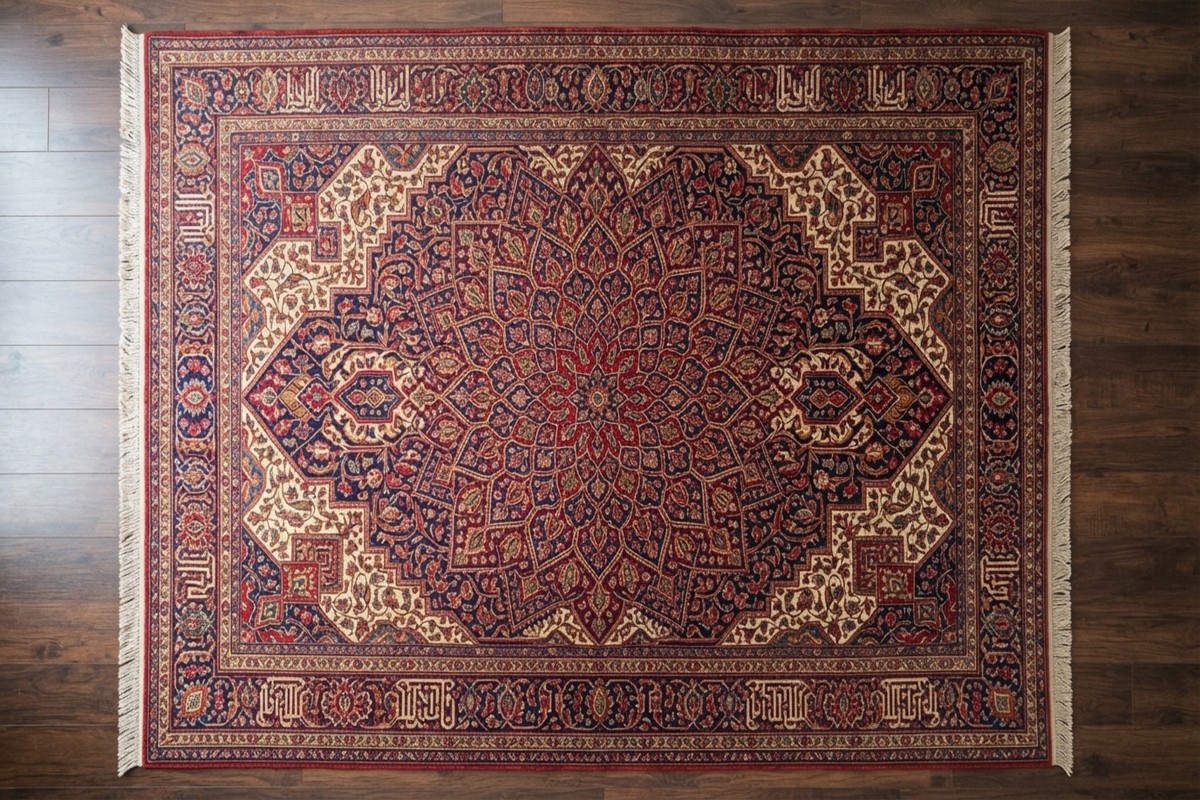
Booking professional oriental rug stain removal services in the Bay Area before the holiday season is the most effective way to protect delicate wool and silk fibers from permanent damage. From Thanksgiving dinners to New Year celebrations, hosting family and friends brings increased foot traffic, heavier ambient dust, and inevitable dining room spills.
In this comprehensive care guide, we examine the structural biology of wool and silk fibers, detail the exact first-aid steps to take when red wine or greasy food hits your floor, outline the risks of DIY supermarket cleaners, compare immersion washing to surface cleaning, and explain how pre-holiday preparation at Rose Oriental Rugs in Berkeley keeps your valued textiles preserved for the next generation.
1. Why Pre-Holiday Preparation Shields Antique and Wool Rugs
Investing in specialized oriental rug stain removal in the Bay Area before guests arrive does more than improve visual appearance; it physically reinforces the textile’s natural defenses. Wool fibers possess a protective outer membrane called the epicuticle, a thin, waxy layer of lipids that naturally repels water-based liquids for several minutes after contact.
Fine Dust & Silica Grit Settles at Warp/Weft Base
│
▼
Foot Traffic Grinds Particulates Against Fibers (Cuts Cuticles)
│
▼
Protective Waxy Epicuticle Strips Away
│
▼
Spilled Liquid (Tannins/Acids) Soaks Instantly into Desiccated Wool Cortex
Over a year of daily household living, microscopic grit and abrasive silica sink deep into the rug’s foundation yarns. As guests walk over the pile, these sharp particles act like miniature saws, scratching the wool cuticle and stripping away that protective fatty acid layer.
When a glass of Cabernet or a drop of oily gravy lands on a compromised, dry fiber, the dye sites inside the wool core open immediately, bonding with the spill within seconds. A thorough pre-holiday wash removes that abrasive grit, restores moisture to the wool, and re-establishes the fiber’s natural resistance to sudden dining room accidents.
2. Emergency First Aid: How to Treat Sudden Holiday Spills
Knowing how to react when an accident happens at the dinner table can mean the difference between an easy spot treatment and an emergency run for Bay Area oriental rug stain removal intervention. Panic often leads homeowners to grab whatever bottle sits under the kitchen sink, which often sets the pigment permanently.
Follow this immediate action sequence the moment a spill occurs:
- Blot immediately with undyed cotton towels: Fold a clean, white cotton towel or a stack of plain paper towels and press straight down into the spill with firm, even weight. Do not scrub, twist, or wipe, as horizontal friction drives the liquid deeper into the cotton foundation and frays the delicate wool tips.
- Dilute with cool, plain water: Lightly mist or spoon a small amount of cool water over the damp area to dilute the remaining liquid. Blot firmly again using a fresh, dry towel. Never use hot water, which opens the fiber cuticle and cooks tannins or protein molecules into the wool protein.
- Elevate the wet zone for airflow: Place an inverted bowl, a small plastic lid, or a baking rack beneath the wet patch. Elevating the wet foundation off your hardwood or pad allows air to circulate underneath, preventing mold growth, dry rot, and dye migration between the face yarns and the foundation warp.
3. High-Risk Holiday Spills: Chemistry and Fiber Reactions
Different holiday foods react differently with antique dyes, and understanding their chemistry helps you choose the right approach to oriental rug stain removal in Bay Area care. Natural dyes like madder root, indigo, walnut husks, and pomegranate rinds respond violently to common kitchen remedies.
| Spill Type | Common Holiday Source | Primary Staining Agent | Chemical Danger to Wool / Silk |
| Tannin-Based | Red wine, cranberry sauce, coffee | Polyphenols and vegetable tannins | Acidic molecules bind rapidly to wool protein dye sites |
| Protein / Lipid | Gravy, roasted meats, buttery sauces | Animal fats and natural proteins | Hydrophobic grease congeals around fiber; attracts grit |
| Enzymatic / Acid | Cranberry juice, citrus cocktails | High citric/malic acidity | Can bleach or strip delicate vegetable and chrome dyes |
| Wax | Taper candles, menorah candles | Paraffin or beeswax lipids | Mechanically embeds in pile; tears wool if pulled cold |
Candle wax requires special care. Never scrape cold, brittle wax with a sharp knife, as you risk severing the underlying hand-knotted pile.
If wax drips onto your rug, let it harden completely. Place a brown paper bag over the wax and apply gentle, low heat with a clothes iron for two to three seconds at a time; the paper absorbs the melted wax without scorching the fibers.
4. The Hidden Hazards of Store-Bought Stain Removers
Homeowners often worsen rug damage by using retail carpet shampoos before calling a specialist for Bay Area oriental rug stain removal assistance. Commercial spray-bottle spotters sold at grocery stores are formulated for synthetic nylon or polyester carpets, not organic animal fibers.
Supermarket Oxy / Enzyme Cleaner (pH 9.5 to 11.0)
│
▼
Poured onto Acid-Dyed Wool Rug (Optimal pH 4.5 to 5.5)
│
▼
Alkaline Solution Strips Natural Wool Lanoline & Destabilizes Mordant
│
▼
Severe Dye Bleeding, Fiber Brittleness, and Permanent Bleached Halo Rings
Most commercial stain treatments contain hydrogen peroxide compounds, optical brighteners, and high-pH alkaline surfactants. Wool and natural silk require an acidic environment (pH 4.5 to 5.5) to keep their dyes stable.
Applying an alkaline spot cleaner with a pH of 9.0 to 11.0 strips the wool’s natural lanolin, burns the tips of delicate silk, and breaks the mordant bond holding the dye to the fiber. The result is “color run,” where deep reds and dark blues bleed unchecked into cream and ivory medallions.
5. In-Plant Submersion Washing vs. On-Site Surface Cleaning
Understanding the difference between in-facility immersion washing and in-home surface extraction is central to any discussion of Bay Area oriental rug stain removal methods. Many general carpet-cleaning franchises offer to clean heirloom oriental rugs directly on your hardwood floor using hot-water extraction wands.
Why Surface Steam Cleaning Fails Hand-Knotted Rugs
- Leaves abrasive grit in the base: A wand only extracts the top quarter-inch of the pile. Sand, pet dander, and gritty soil that settle deep against the cotton weft stay behind and turn into a cement-like paste when they get wet.
- Excessive heat damages wool: Hot-water extraction can reach temperatures above 180°F. High heat shrinks wool yarns, causes structural rippling, and permanently sets untreated tannin stains.
- Flooring damage risks: Moisture pushed down through the rug foundation can trap water beneath the rubber pad, warping expensive oak and walnut hardwood floors.
The Traditional Submersion Wash Advantage
Real restoration begins with specialized mechanical dusting (harmonic vibration) to shake loose pounds of dry soil before any water touches the rug.
Next, the rug is fully submerged in a shallow wash pit filled with flowing, cool water and specialized, pH-balanced organic shampoos. Skilled technicians massage the pile by hand, gently working both sides of the textile, flushing away embedded soils, neutralizing animal salts, and rinsing the rug until the water runs crystal clear.
Finally, technicians extract moisture using controlled centrifuges, then hang the rug in a humidity- and temperature-controlled drying room to prevent mildew and color bleeding.
6. Proactive Defense: Pads, Placement, and Traffic Management
Preparation before holiday guests arrive reduces the need for emergency oriental rug stain removal Bay Area calls mid-celebration. Small adjustments to furniture placement and padding protect your rugs before the first bottle is uncorked:
- Install a dense dual-surface pad: A quality pad featuring a needle-punched felt upper layer and a textured natural rubber backing prevents rugs from shifting, cushions fiber impact from heavy footwear, and absorbs spill overflow before it damages your hardwood floor.
- Rotate the rug 180 degrees: If one edge of your dining room rug sits directly along the main serving pathway to the kitchen, rotate the rug so the high-wear zone moves against an undisturbed wall.
- Keep a dedicated spill kit nearby: Prepare a small emergency basket containing clean, undyed white cotton cloths, a misting spray bottle of plain water, a box of plain baking soda (to absorb surface grease), and the direct phone number of your local rug restoration facility.
Frequently Asked Questions
Does club soda really get red wine out of an oriental rug?
No. Club soda is slightly acidic because of carbonation, but it doesn’t have magical stain-lifting properties. The benefit people observe comes simply from water dilution. Plain, cool tap water blotted with clean, dry cotton towels works just as well without adding minerals or excessive bubbling to the pile.
Can baking soda damage an antique wool rug?
Used correctly, dry baking soda absorbs fresh surface grease, butter, or gravy. However, never scrub dry powders deep into the knot base or mix them with vinegar. Combining baking soda and vinegar causes an aggressive chemical reaction that can distort the wool’s natural cuticle and leave a chalky residue that is difficult to extract without full submersion washing.
Why do some stains reappear weeks after cleaning?
This phenomenon is known as “wicking.” If a liquid spill penetrates deep into the heavy cotton warp and weft yarns, standard surface cleaning may remove the spot from the surface fibers. As the rug dries over several days, the remaining liquid trapped in the foundation travels back up the pile shafts to the surface, causing the dark ring to reappear.
How often should heirloom oriental rugs be professionally cleaned?
Under normal household use, fine wool rugs should receive a comprehensive in-plant submersion wash every two to three years. If the rug sits in a high-traffic entry, a busy dining room, or a home with pets, an annual pre-holiday deep clean keeps dirt from wearing down the fibers.
Is pet urine on an oriental rug permanent?
Fresh pet accidents can usually be reversed if you treat them promptly with specialized enzyme baths that break down uric acid crystals and bacteria. If left untreated, pet urine turns highly alkaline over time, permanently bleaching natural vegetable dyes and weakening cotton foundation threads into dry rot.
Why should I avoid dry cleaning an oriental rug?
Commercial chemical dry cleaning uses perchloroethylene and harsh solvents designed for tailored suits, not heavy floor textiles. These chemicals dissolve the natural lanolin oils that give wool its softness, water resistance, and natural sheen, leaving the pile dry, brittle, and vulnerable to premature wear.
Protect Your Heirlooms with Rose Oriental Rugs in Berkeley
Fine Persian, Turkish, and Caucasian rugs are enduring investments meant to be enjoyed across generations—especially during warm gatherings with family and friends. You should never have to spend your holiday dinner party worrying about an accidental wine spill or a dropped serving platter.
At Rose Oriental Rugs, on San Pablo Avenue in Berkeley, our team brings generational expertise in traditional hand-washing, stain removal, fringe care, and precision reweaving. Every textile entrusted to our care receives an individualized fiber assessment, mechanical dusting, and a customized, low-temperature organic wash that respects the integrity of historical dyes.
Prepare your home for holiday entertaining. Contact Rose Oriental Rugs in Berkeley today to schedule your pre-holiday pickup, evaluation, or professional cleaning consultation.