

How Much is an Heirloom Worth? Understanding Rug Appraisal Near Me

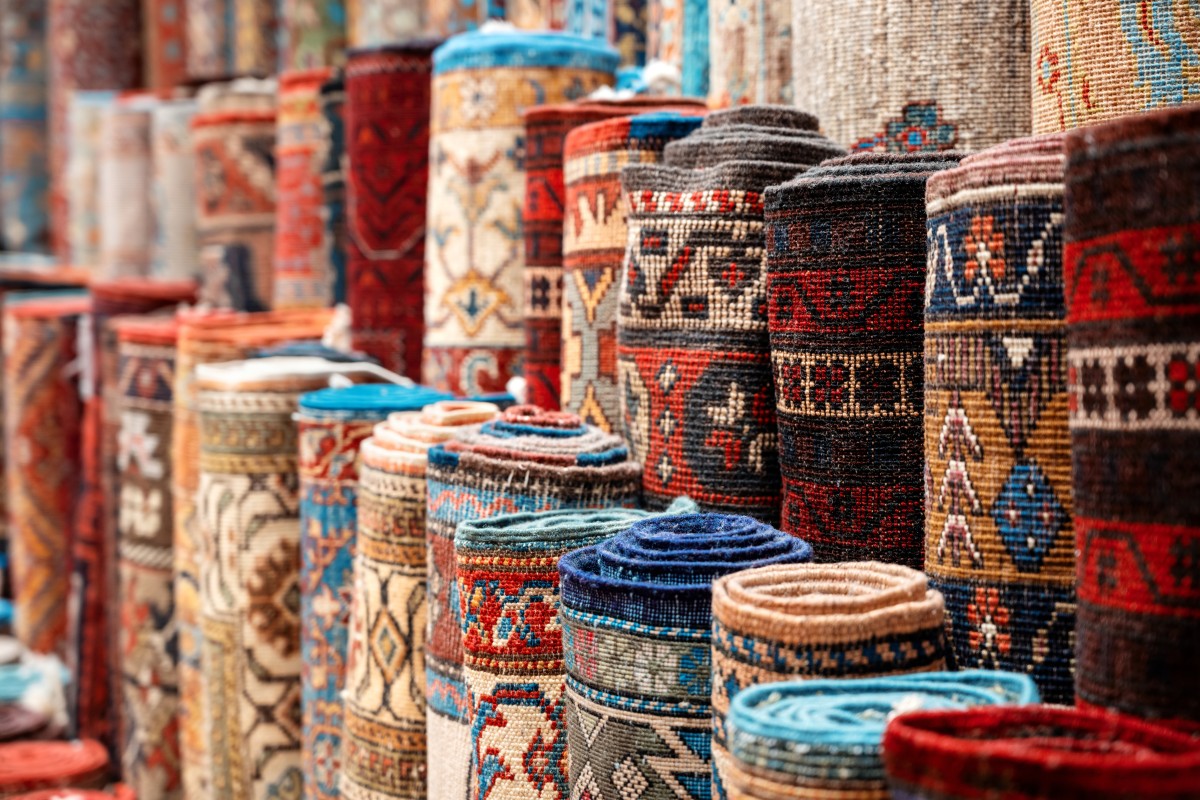
When you inherit a beautiful hand-knotted piece or discover a hidden gem at an estate sale, searching for a reliable “rug appraisal near me” is the crucial first step in understanding its true value. Oriental rugs are far more than just floor coverings; they are woven pieces of history, art, and cultural expression that can hold significant monetary worth. Whether you are looking to insure a family heirloom to protect against unexpected damage, sell a recently acquired piece on the open market, or simply satisfy your own curiosity about a carpet’s rich origins, knowing its precise, expert-verified worth is absolutely essential.
In this comprehensive guide, we will explore the intricate factors that determine an heirloom rug’s financial and historical worth, explain the critical differences between verbal estimates and formal written appraisals, highlight the undeniable importance of professional expertise in evaluating textiles, detail exactly how to prepare your piece for a seamless evaluation, and explain why scheduling a consultation with the master appraisers at Rose Oriental Rugs in Berkeley is the most trusted way to uncover your rug’s true legacy.
Factors That Determine an Heirloom Rug’s Worth
Unlocking the mystery of a hand-knotted carpet involves analyzing a complex matrix of woven details, which is why simply searching for a “rug appraisal near me” must lead you to a certified textile expert rather than a general antique dealer. Several primary elements dictate a rug’s current market and insurance replacement value.
- Origin and Provenance: A rug woven in a renowned Persian weaving center, such as Tabriz, Isfahan, or Kashan, carries a different historical pedigree than a nomadic tribal piece from the Caucasus mountains or a modern reproduction. An expert appraiser can identify the exact region—and sometimes the specific village or master weaver—simply by examining the knotting technique and the distinct regional design motifs.
- Age and Condition: These two factors are intimately linked in the appraisal world. Antique rugs, typically defined as those over 100 years old, often command higher prices, but only if they have been meticulously preserved. Severe foot traffic wear, moth damage, dry rot, or faded synthetic dyes can significantly detract from an older rug’s value. Conversely, natural signs of graceful aging, such as a gentle, organic softening of colors known as abrash, can actually enhance the aesthetic appeal and verify the authenticity of an antique piece.
- Materials and Knot Density: The physical components determine the structural quality. Rugs crafted from hand-spun wool, pure silk, and vibrant, natural vegetable dyes are highly prized by collectors. The knot count (measured in knots per square inch or KPSI) often indicates the fineness of the weave. Higher knot counts allow for incredibly intricate, curvilinear designs that require months or even years of painstaking labor to complete.
All of these factors must be weighed together to determine the final, accurate appraised value of the piece in question.
The Difference Between Formal Written and Verbal Assessments
As you continue your search for a “rug appraisal near me,” it is vitally important to understand what type of evaluation you actually require, as different life situations call for very different levels of documentation. Appraisals in the antique and textile industry generally fall into two distinct categories: casual verbal assessments and formal written appraisals.
A verbal assessment is a casual, informational evaluation. If you simply want to know the approximate age, origin, and fair market value of a rug you inherited to decide whether you should keep it in your living room or donate it to charity, a verbal appraisal is often entirely sufficient. It provides you with the fascinating historical context and a reliable ballpark figure of what the rug might fetch if sold on the open retail market today.
A formal written appraisal, on the other hand, is a legally binding document required for specific financial and legal purposes. If you are scheduling a highly valuable rug on your homeowner’s insurance policy, settling a complex family estate, distributing assets fairly in a divorce, or making a high-value charitable donation for tax deduction purposes, you must have a written appraisal. This comprehensive document details the rug’s exact dimensions, knot count, specific materials, current condition, country of origin, estimated age, and current retail replacement value. It is signed and dated by the expert appraiser, providing you with ironclad proof of the rug’s worth in the event of theft, fire, or legal dispute.
The Undeniable Importance of Professional Expertise
The internet is full of well-meaning guides on how to identify antique carpets at home, but relying on an amateur guess instead of a professional “rug appraisal near me” can lead to devastating and costly mistakes. The world of Oriental rugs is notoriously complex, and modern manufacturing techniques have made it increasingly difficult for the untrained eye to navigate.
One of the most significant challenges in modern rug evaluation is the proliferation of high-quality machine-made rugs. Today’s advanced power looms can replicate traditional Persian, Turkish, and Afghan designs with astonishing accuracy, sometimes even mimicking the look of hand-knotted fringe and intentional wear patterns. An expert appraiser knows exactly how to closely examine the back of the rug, evaluate the specific symmetry of the knots, and test the materials to confirm its handmade authenticity.
Furthermore, professional appraisers understand the deep nuance of the ever-changing global rug market. The financial value of specific styles fluctuates wildly based on current interior design trends, international trade embargoes, and the increasing scarcity of certain antique tribal weaves. An appraiser who works daily in the textile industry has their finger on the pulse of current replacement costs and global auction values. This ensures that your heirloom is not undervalued, which would leave you dangerously underinsured in an emergency, or wildly overvalued, which leads to immense disappointment if you eventually attempt to sell the piece.
How to Prepare Your Piece for Evaluation
Once you have successfully found a trusted expert by searching for a “rug appraisal near me,” taking a few simple steps to prepare your heirloom can make the entire evaluation process smoother, safer, and far more accurate.
- Gather Your Documentation: Start by hunting down any existing paperwork. If you have the original purchase receipt, previous insurance appraisals, international customs forms, or even old family letters mentioning when and where the rug was acquired, bring them along. Provenance, the documented, unbroken history of an item, can sometimes add tangible financial value to an antique piece.
- Assess Condition Carefully: Look at the rug’s condition before attempting to move it. If the rug is extremely fragile, feels stiff to the touch, or shows clear signs of active moth infestation, it is best to contact the appraiser by phone before rolling it up. They can advise you on how to safely transport the delicate piece without causing irreparable damage to the fibers.
- Take Preliminary Photos: In some cases, a preliminary evaluation can even be started via high-resolution photographs. Take clear pictures of the entire rug from above, a close-up of the front pattern, and a macro shot of the back corner showing the fringe and knots.
- Roll Properly: Finally, ensure the rug is properly rolled for transport. Carefully clear the area of heavy furniture. Remember to roll the rug against the pile (the direction the wool fibers naturally lay) to avoid stressing the foundation, and never fold a delicate antique rug, as this can crack the internal foundation threads.
Book Your Expert Appraisal with Rose Oriental Rugs in Berkeley
Your family heirlooms represent significant financial investments and completely irreplaceable pieces of human history, which means they deserve the absolute highest level of professional care and respect. Ending your search for a “rug appraisal near me” with Rose Oriental Rugs in Berkeley ensures master experts evaluate your precious textiles with decades of specialized, hands-on experience in the industry.
At Rose Oriental Rugs, we do not just sell exquisite carpets; we live and breathe the art, history, and culture of rug weaving. Our deep, generational knowledge of global weaving traditions, natural dye techniques, and historical market trends allows us to provide the most accurate, comprehensive, and universally trusted appraisals in the entire Bay Area. Whether you need a simple verbal assessment to learn more about the beautiful carpet your grandmother left you, or a highly detailed formal written appraisal to satisfy your insurance provider’s strict scheduling requirements, our dedicated team is here to guide you through the entire process with complete transparency, warmth, and unmatched expertise.
Do not leave the true value of your family heirloom to guesswork or amateur internet searches. Discover the rich history, master craftsmanship, and accurate financial worth of your hand-knotted piece today.
Contact Rose Oriental Rugs in Berkeley to book your professional appraisal appointment. We look forward to welcoming you into our showroom and helping you uncover the hidden legacy woven into your remarkable rug.