

How to Prevent Moth Damage to Oriental Rugs Before Fall & Winter Storage

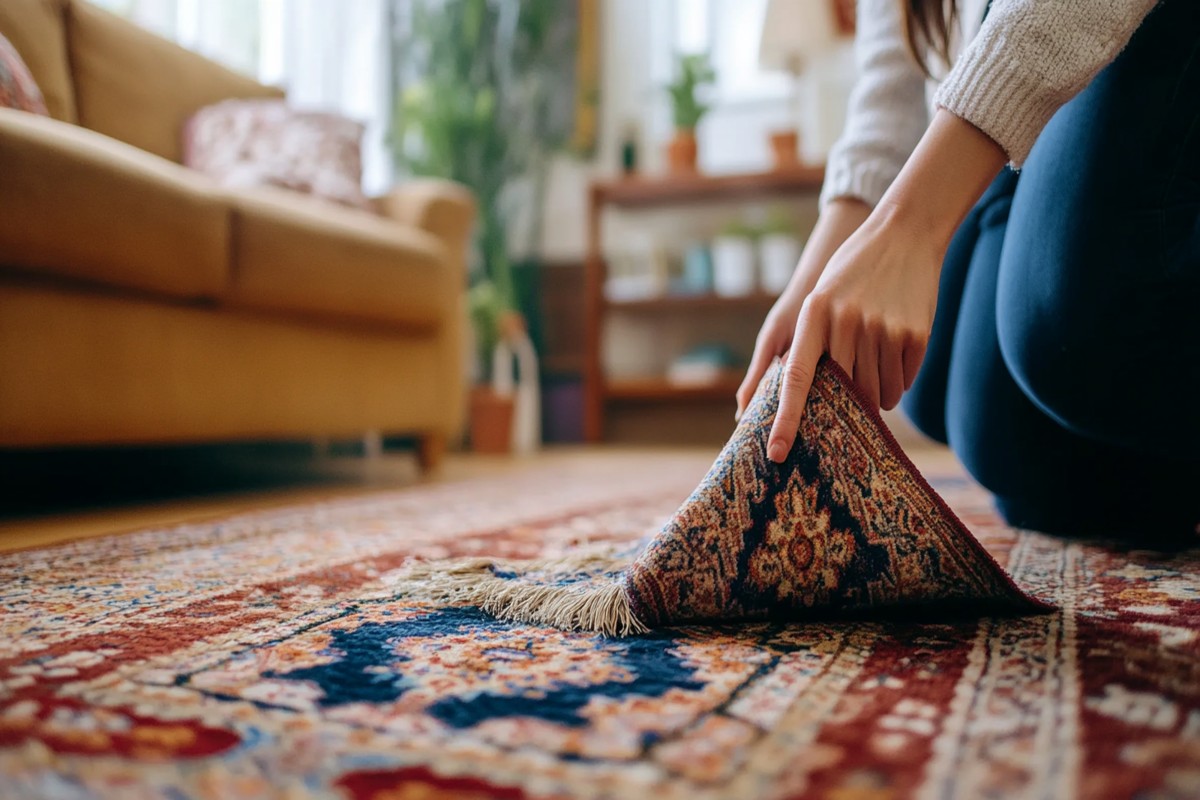
Learning how to prevent moth damage to oriental rugs before rolling them up for fall and winter can save you thousands of dollars in restoration costs. As temperatures drop, households rotate decor or put fine textiles away for the colder months, inadvertently creating the dark, undisturbed environment fabric pests crave.
In this comprehensive guide, we examine why moth larvae target wool rugs, the telltale warning signs of an infestation, the critical preparation steps required before storage, correct packing materials, and safe winter storage environments.
Why Wool Rugs Are Vulnerable to Winter Moth Infestation
To prevent moth damage to oriental rugs, you first need to understand the pest you are up against. Adult moths fluttering around a room don’t eat wool; female moths seek a secluded, dark spot to lay eggs, and the emerging larvae feed on animal fibers.
Moth Life Cycle in Storage
[Adult Moth] -> Lays sticky eggs in dark, undisturbed wool pile
│
▼
[Larvae Emerge] -> Feeds on keratin, skin oils, soil & spills
│
▼
[Webbing / Cocoon] -> Forms silk tubes, cutting the wool foundation
│
▼
[Bare Warp & Weft] -> Structural bald spots require costly reweaving
Wool consists of keratin, an animal protein that forms the primary diet of webbing clothes moth (Tineola bisselliella) and casemaking clothes moth (Tinea pellionella) larvae. In addition to keratin, larvae thrive on microscopic organic residues:
- Human skin cells and pet dander embedded deep in the pile
- Dried beverage sugars and food grease
- Natural oils and perspiration worked into fibers over months of use
When rugs sit in active living areas with natural sunlight, vacuuming, and foot traffic, larvae rarely get a foothold. However, when you place an unwashed rug in an unmonitored closet, attic, or basement for winter, moth eggs hatch undisturbed and systematically devour the pile down to the foundation warp and weft threads.
Warning Signs of Infestation Before Packing
Before packing your textile away, an aggressive inspection is mandatory to determine how to prevent moth damage to oriental rugs that may already harbor active pests. Catching larvae early prevents you from sealing an active feeding ground inside storage paper.
Examine both the front face and back side of the rug under bright, direct light. Pay close attention to:
- Webbing and Silken Tunnels: Larvae produce sticky, silken patches or hollow cylindrical casings that stick to the wool fibers.
- Granular Sand-Like Residue: Often mistaken for ordinary dirt, moth frass (droppings) takes the color of the dyed wool the larvae have eaten.
- Loose, Detached Wool Pile: If light tugging or gentle brushing pulls loose clumps of pile away without resistance, larvae have chewed through the base knotting.
- Bare Canvas or Foundation Grids: Visible structural cotton or wool warp threads where colored pile should be.
| Infestation Indicator | What It Looks Like | What It Means |
| Larval Casings | Small, 1/4-inch white or off-white tubes | Active or recent casemaking moth presence |
| Frass Pellets | Microscopic gritty specks matching pile color | Larvae are actively feeding and excreting |
| Irregular Bald Spots | Pitted wool sections with intact perimeter | Localized damage, often around spilled residues |
| Fine Silk Veiling | Thin cobweb-like sheen deep within the pile | Undisturbed webbing clothes moth colony |
Preparation: Deep Cleaning Before Storage
The most dependable rule for preventing moth damage to oriental rugs is never to put away a dirty rug. Surface vacuuming alone cannot pull embedded larval eggs or sticky organic matter from the tight base knots of a hand-knotted weave.
Why Surface Cleaning Fails
Standard upright vacuums rely on suction and rotating beater bars designed for synthetic wall-to-wall carpeting. On an authentic oriental rug, beater bars tear side selvages and shred fringe ends without reaching the dirt trapped at the foundation. Home spot cleaners also leave soap films behind that trap moisture and accelerate insect feeding.
Professional Submersion Washing
A true professional rug wash uses gentle submersion, neutral pH cleansers, and comprehensive flushing to purge:
- Dirt, grit, and dust mites compacted into the rug’s knot collars
- Sugars, salts, and proteins that attract female moths searching for egg-laying sites
- Existing larvae and eggs across both the pile and the foundation cords
At Rose Oriental Rugs on San Pablo Avenue in Berkeley, our wash process uses controlled, clear-water baths and thorough temperature-controlled drying. This removes the food source entirely, ensuring the wool enters storage completely clean and sanitized.
Proper Packing Materials and Methods
Preventing moth damage in oriental rugs also depends on the physical barriers you wrap around the clean fibers. Improper wrapping traps moisture, leading to dry rot and mildew that can ruin rugs faster than insects do.
1. Roll the Rug Correctly: Always face the pile in the correct direction.
Lay the clean rug flat on a clean surface. Roll the rug evenly, pile facing inward for wool rugs (or outward for delicate silk rugs to relieve tension on the knots). Never fold an authentic wool rug, as folding cracks foundation yarns.
2. Choose Breathable Wrapping: Avoid plastic sheets, trash bags, and shrink wrap.
Wrap the rolled rug in heavy, acid-free kraft paper or breathable Tyvek storage sleeves. Avoid plastic wraps completely; non-breathable plastic creates condensation cycles during seasonal temperature shifts, breeding mold and dry rot.
3. Secure the Roll Ends: Create a sealed physical barrier against crawling insects.
Overlap the paper ends generously to prevent exposed fringe. Secure the seams tightly with heavy paper tape. Avoid placing adhesive tape directly against the wool or fringe fibers.
Mothballs vs. Safe Alternatives
Traditional mothballs use naphthalene or paradichlorobenzene. These toxic chemicals off-gas dangerous vapors, leave an indelible petroleum odor in wool, and do not provide permanent protection. Instead, rely on thorough washing, sealed breathable wrapping, and clean cedar blocks positioned outside the paper packaging to deter wandering insects.
Ideal Storage Conditions for Fall and Winter
Environmental control is the final defense against moth damage to oriental rugs during the damp winter months. Even a cleanly wrapped rug can suffer if left in an unconditioned environment. Follow these storage rules:
- Keep Off Bare Concrete: Store the rolled rug elevated on pallets, wooden shelving, or a clean rack. Concrete basements wick moisture upward, creating damp spots on the bottom side of the package.
- Control Humidity: Maintain indoor relative humidity below 55%. High humidity softens wool fibers and encourages insect pupation.
- Avoid Damp Basements and Hot Attics: Basements introduce humidity and moisture, while uninsulated attics cycle between extreme heat and cold, stressing vegetable dyes and wool lanolin.
- Maintain Horizontal Support: Store rugs flat and horizontal rather than standing upright on one end. Storing rolls vertically crushes the bottom fringe and bends the rug’s foundation out of shape.
Frequently Asked Questions
Can adult moths damage my wool rug directly?
No, adult moths have no mouthparts and cannot chew fabric. Their sole purpose is reproduction. The microscopic larvae hatch from eggs laid in dark, undisturbed areas of the wool pile and cause the damage.
Will freezing an Oriental rug kill moth larvae and eggs?
Freezing can kill larvae, but it requires sustained sub-zero temperatures (below 0°F or -18°C) for at least 72 to 96 hours, followed by gradual, condensation-free thawing. Standard home freezers rarely get cold enough or offer enough space, making professional submersion washing a safer, more reliable option.
Are cedar chests or cedar oil enough to protect wool rugs?
Cedar provides mild repellent properties because of its natural aromatic oils, but it does not kill existing eggs or hungry larvae. Over time, the aromatic oils dissipate. Use cedar only as a secondary deterrent, combined with professional washing and sealed, breathable wrapping.
Why should I avoid wrapping rugs in plastic for winter storage?
Plastic prevents air circulation and traps ambient humidity inside the wrap. As room temperatures fluctuate during fall and winter, moisture condenses against the plastic, leading to musty odors, mildew, and irreversible dry rot in the foundation cotton.
How often should I check on stored oriental rugs?
Inspect your stored rugs every 60 to 90 days. Unroll the paper slightly, check for signs of frass or chewed wrapping, and confirm that the storage room has remained dry and pest-free.
Can moth-damaged oriental rugs be repaired?
Yes. Skilled restorers can rebuild missing warp and weft foundation threads and re-knot matching hand-spun, vegetable-dyed wool pile into bare spots. However, reweaving is meticulous work, making prevention far more cost-effective.
Protect Your Fine Rugs This Season
Prepping your hand-knotted textiles for seasonal storage takes time, but proper care preserves their beauty and structural integrity for generations. If your rugs need a thorough wash before winter, or if you suspect early pest activity, the specialists at Rose Oriental Rugs in Berkeley can assist you.
Our team provides gentle immersion washing, thorough insect decontamination, hand repairs, and professional storage preparation tailored to delicate Persian, Turkish, Caucasian, and antique wool weaves. Contact our Berkeley showroom today to schedule an inspection or arrange drop-off before putting your collection away for the season.