

How Professional Persian Rug Repair Restores Value to Hand-Knotted Heirlooms

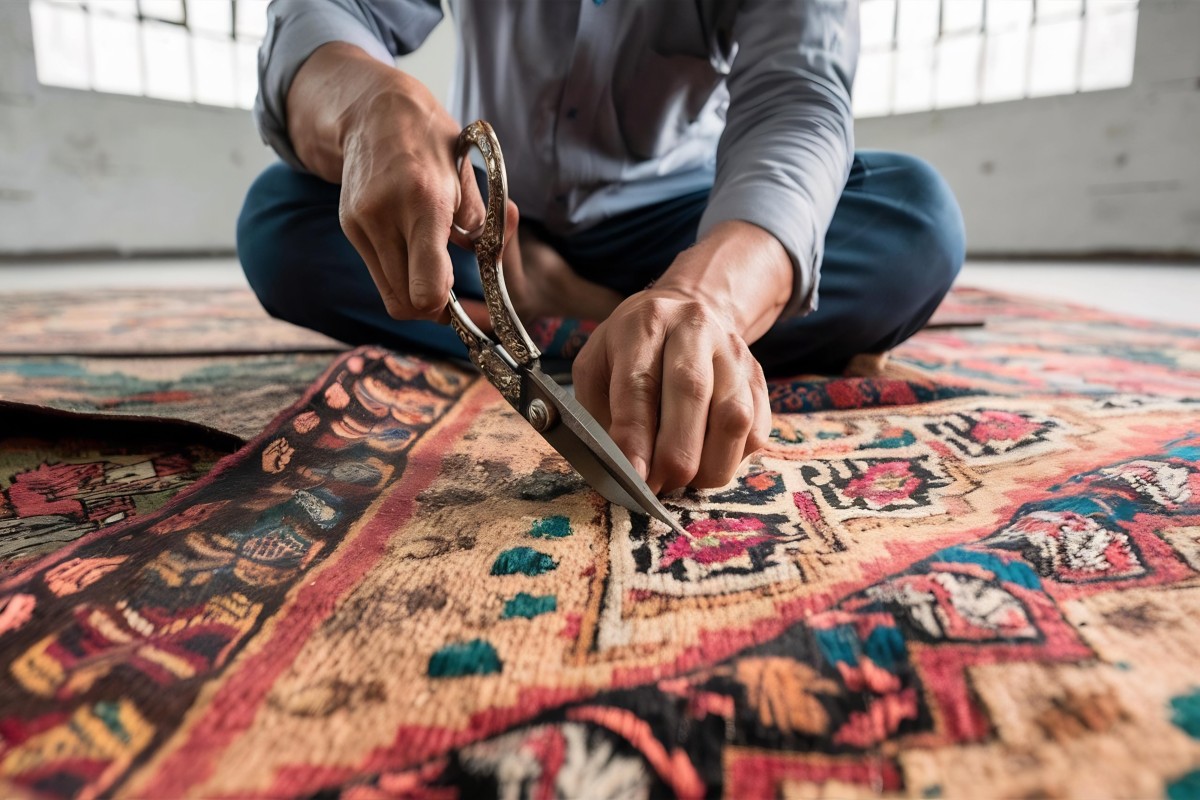
When a hand-knotted Oriental or Persian rug begins to show bare patches, unraveling ends, or a thinning pile, owners often wonder whether it is worth fixing or if the damage is permanent. The short answer: as long as the foundation threads remain intact, almost any hand-knotted wool or silk rug can be fully restored.
In this guide, we will break down how professional Persian rug repair stops structural unraveling, what traditional restoration techniques involve, how fixing minor damage preserves financial appraisal value, and what to expect regarding costs, turnarounds, and repair visibility.
Warning Signs Your Hand-Knotted Rug Needs Immediate Repair
Hand-knotted textiles are remarkably durable. However, because their structure relies on thousands of individual knots tied around vertical warp threads, localized damage can spread quickly across the foundation.
Addressing minor issues early prevents small tears from becoming major structural rebuilds.
Key Red Flags to Watch For
- Unraveling Fringe: Fringes are not decorative tassels; they are the exposed ends of your rug’s structural foundation. When fringes break, knots begin sliding off the warp cords, causing the body of the rug to unravel.
- Bare Patches in the Pile: Missing wool with exposed foundation threads typically indicates active moth damage, heavy foot-traffic wear, or aggressive vacuuming with a beater bar.
- Wrinkling, Stiffening, or Cracking (Dry Rot): Exposure to moisture from potted plants, plumbing leaks, or humid storage causes cotton foundation threads to decay. Dry rot makes the rug brittle, causing it to snap when folded.
- Frayed or Loose Side Edges (Selvedge): The thick wool cords along the sides keep horizontal tension across the weave. Once the selvage breaks loose, edge knots loosen rapidly.
- Color Bleeding: Improper cleaning or pet accidents can cause unstable dyes to run into adjacent cream or ivory field areas.
How Structural Persian Rug Repair Works
Restoring a hand-knotted rug requires the same traditional hand techniques used to build it. Machine stitching, iron-on patches, or synthetic adhesives ruin authentic textiles and drastically reduce their resale value.
A complete restoration follows four distinct trade steps:
1. Fiber & Color Matching ➔ 2. Foundation Rebuilding ➔ 3. Hand-Knotting Pile ➔ 4. Edge & Fringe Securing
1. Fiber and Dye Matching
Before weaving begins, restorer specialists select wool or silk yarn that matches the original rug’s fiber weight, spin direction, and age-related patina. Restorers use hand-spun wool colored with natural dyes so the repaired section blends naturally into the surrounding aged pile under ambient light.
2. Rebuilding the Foundation (Warp and Weft)
If your rug has a hole, tear, or dry rot, artisans cannot simply sew wool over the gap. They must reconstruct the underlying grid by re-stringing individual cotton or wool warp cords vertically and weaving weft threads horizontally across the damaged section.
3. Hand-Tying Replacement Knots
Once the foundation grid is secured, craftspeople hand-tie replacement knots directly into the new warp cords. Restorers use the exact knot style native to the rug’s region—such as asymmetrical Senneh knots for Persian weaves or symmetrical Ghiordes knots for Turkish pieces.
4. Securing the Borders (Overcasting and Binding)
To prevent future unraveling, specialists execute a manual overcast stitch along the fringe lines and re-wrap the side selvages by hand using thick, protective wool bundles.
Real-World Restoration Examples
To understand how restoration works in practice, consider these common shop scenarios:
Example A: Repairing Moth Damage in a Vintage Kashan
A client brought in a fine wool Kashan rug stored in an attic for three years. Clothes moths had eaten a 6-inch area of wool pile, leaving the bare white cotton foundation exposed.
Because the cotton foundation cords were still strong, the repair did not require structural re-warping. Specialists matched vegetable-dyed red and blue wool to the original medallion pattern, hand-tied roughly 1,200 individual Senneh knots back into the exposed foundation, and sheared the new pile down to match the surrounding wear level.
Example B: Rebuilding Unraveled Fringe on a Heriz
A heavy traffic zone eroded 4 inches of fringe on a 1940s Heriz rug, causing two rows of knots to drop off completely.
To fix this, restorers inserted new warp extensions into the existing weave, secured the border with an overcast end-stop stitch, and tied new fringe ends. This stopped the unraveling immediately and restored the original geometric border symmetry.
What Affects Persian Rug Repair Costs and Turnaround Times?
Rug restoration is labor-intensive. Pricing depends on the complexity of the structural damage rather than the overall size of the carpet.
| Factor | Low Cost Impact | High Cost Impact |
| Damage Type | Surface wear, fringe securing, selvage wrapping | Structural holes, dry rot, extensive moth damage |
| Material | Standard coarse wool | Fine silk, high-KPSI fine wool |
| Knot Density | 50–120 knots per square inch (KPSI) | 300+ knots per square inch (KPSI) |
| Foundation State | Intact warp/weft grid | Missing foundation requiring complete re-warping |
Timeframe Expectations
- Minor Fringe Securing & Side Binding: 1 to 2 weeks.
- Moth Damage & Spot Re-weaving: 2 to 4 weeks.
- Major Structural Hole Repair or Re-Warping: 4 to 8+ weeks, depending on knot count and area size.
Will the Repair Be Visible?
When performed by experienced restorers using period-accurate materials, structural repairs are virtually undetectable from the front side of the rug.
Under close inspection from the back, a trained appraiser may notice slight variations in thread thickness or dye batch patina. However, a properly executed repair preserves the visual continuity of the pattern, whereas leaving damage untouched will eventually destroy the entire border design.
How Timely Repair Protects Financial and Sentimental Value
Fine Oriental and Persian rugs are durable assets that frequently appreciate over time. However, active damage drops appraisal values significantly.
- Insurance Appraisals: Insurance adjusters and auction houses mark down textiles with active structural tears, dry rot, or fringe loss. Stabilizing damage halts this decline and preserves current market valuations.
- Cost Efficiency: Fixing a 1-inch fringe pull today costs a fraction of what it takes to rebuild a 6-inch missing border section after two years of unraveled knots.
- Heirloom Longevity: Hand-knotted rugs carry rich family histories. Timely structural maintenance keeps these pieces functional and display-worthy for generations to come.
Why Choose Rose Oriental Rugs in Berkeley for Your Restoration
Restoring antique and fine hand-knotted textiles requires deep familiarity with regional weaving styles, dye chemistry, and structural fiber behavior. Located in Berkeley, Rose Oriental Rugs provides specialist care for Persian, Turkish, Caucasian, and Tribal rugs.
Here is what you can expect when working with our team:
- In-Person Inspection: We examine foundation strength, fiber condition, knot structure, and dye stability before recommending any work.
- Tailored Repair Options: We explain the difference between structural stabilization (budget-conscious) and full invisible museum-grade re-weaving.
- Hand Work Only: We never use machine stitching, structural glues, or quick synthetic patches on hand-knotted pieces.
- Full-Service Care: From specialized hand-washing to fringe repair and custom padding, we manage every step under one roof.
Frequently Asked Questions About Persian Rug Repair
1. Can a rug with dry rot be repaired?
Yes, but it depends on how widespread the rot is. If dry rot is localized to a small area (such as under a leaking plant pot), restorers can cut out the damaged fibers, insert new warp threads, and re-weave the section. If the entire cotton foundation is brittle and cracking throughout, structural repair may not be cost-effective.
2. Is it better to repair an old rug or buy a new one?
In almost all cases involving hand-knotted wool or silk pieces, repair is worthwhile. Antique and vintage hand-knotted rugs feature higher wool quality, natural dyes, and historical handwork superior to most modern, mass-produced carpets.
3. Can you fix a rug if the fringe is completely gone?
Yes. Specialists can secure the existing end border with an overcast stitch to prevent further unraveling, then hand-sew a replacement fringe skirt over the end or extend new warp threads directly through the foundation grid.
4. How do I stop my rug fringe from unraveling further while waiting for repair?
Avoid sweeping or vacuuming over the damaged area with a roller brush. You can gently fold painter’s tape over the fringe ends temporarily to keep knots from sliding off until you can bring it to a professional restorer.
5. Will washing my rug make existing tears or fringe damage worse?
Yes. Washing a rug with open tears or loose edge binding subjects the weak foundation cords to heavy water weight and movement, which can expand holes. Structural repairs should always be completed before or during the professional washing process.
6. Can pet urine damage cause my rug to need structural repair?
Yes. Pet urine is acidic and breaks down wool fibers over time. If left untreated in the rug’s foundation, it leads to dry rot, color bleeding, and severe fiber loss.
7. What is the difference between machine repair and hand repair?
Machine repairs use heavy commercial sewing needles to lock-stitch synthetic thread across damaged edges. This can slice through hand-tied knots, permanently ruin the foundation grid, and severely degrade the financial value of a hand-knotted piece. Hand restoration recreates original knots one by one using authentic techniques.
Schedule a Professional Rug Inspection in Berkeley
If your hand-knotted carpet shows signs of fringe wear, missing wool, edge unraveling, or color damage, early stabilization is key to protecting your investment.
Contact Rose Oriental Rugs in Berkeley today to schedule an in-person assessment. Our restoration specialists will evaluate your rug’s foundation, answer your questions, and provide a clear, detailed estimate tailored to your carpet’s needs.