

Finding Trusted Persian Rug Repair and Cleaning in Los Angeles: Expert Guide

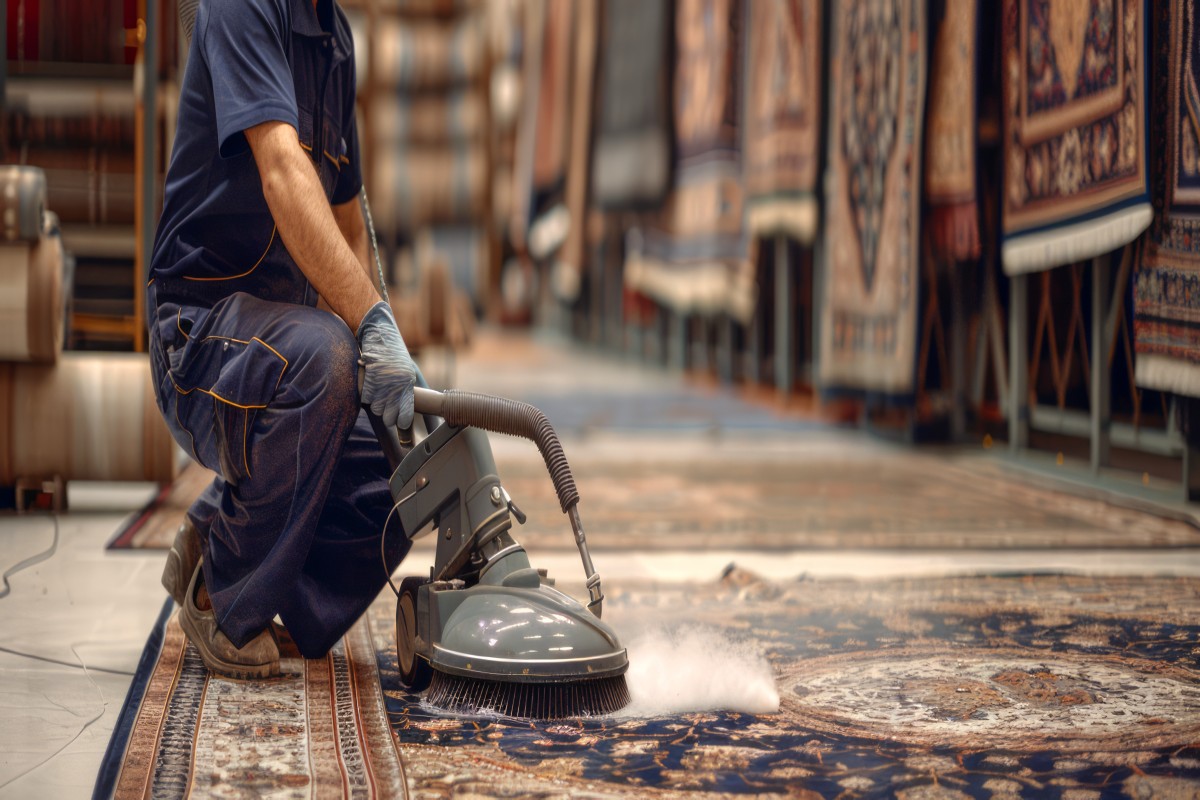
Finding trusted Persian rug repair and cleaning in Los Angeles requires knowing what sets genuine artisan restoration apart from aggressive industrial carpet scrubbing. High-end wool and silk textiles require precise fiber care, natural dyes, and historical weaving techniques that standard carpet cleaners simply cannot provide.
In this comprehensive guide, we will cover how to evaluate rug restoration specialists, recognize early signs of weave and fringe damage, understand the traditional full-immersion hand-washing process, avoid destructive steam-cleaning practices, and select custom rug padding to preserve your floor coverings for decades.
How to Evaluate a Specialist for Persian Rug Repair and Cleaning
When searching for reliable Persian rug repair and cleaning, your primary goal is finding an experienced workshop that handles every step on-site rather than subcontracting the labor to third-party dry cleaners. Fine hand-knotted textiles consist of delicate natural fibers, most commonly hand-spun wool, silk, or cotton foundations, that react poorly to harsh industrial solvents and high-heat drying systems.
To ensure your rug receives safe, accurate care, ask any prospective specialist the following questions during your initial consultation:
- Do you perform all repairs and washing in your own facility? Shops with dedicated in-house wash floors maintain strict quality control throughout the entire treatment.
- What type of cleaning agents do you use? You want hypoallergenic, plant-based, pH-neutral soaps rather than synthetic detergent concentrates that strip natural lanolin oils from wool fibers.
- How do you test for color fastness? Dyes in vegetable-dyed and antique textiles can bleed if not stabilized prior to immersion.
- Are your weavers experienced with specific regional knots? Authentic repairs require matching the original knot density, wool spin direction, and dye hues of your specific origin, whether Tabriz, Isfahan, or Kashan.
Artisans who operate dedicated workshops, such as the third-generation weavers at Rose Oriental Rugs in Berkeley, take full responsibility for inspecting foundation threads before applying any water or tension. If a local vendor lacks the proper dusting centrifuges, drying chambers, or master weavers, sending your piece to a premier California workshop ensures your rug is preserved properly.
Recognizing Early Signs of Damage: Fringe, Weave, and Moth Issues
Addressing structural degradation early prevents small tears from escalating into expensive re-weaving projects during routine Persian rug repair and cleaning. Because hand-knotted rugs depend on warp threads for structural tension, damage to the fringe quickly jeopardizes the adjacent rows of knots.
5 Key Warning Signs to Inspect
- Unraveling Edges and Selvedge Wear: The side cords (selvages) keep the horizontal weave locked in place. Loose threads along the sides allow outer warp rows to slip free.
- Fringe Loss: Missing or cut fringe exposes the foundation knots, causing whole rows of pattern to fall out under normal vacuuming.
- Moth Infestation: Clothes moths do not eat wool; their larvae feed on keratin found in natural fibers. Look for gritty casing debris, thin webbing, or bare patches where pile fibers come away easily.
- Dry Rot: Caused by prolonged moisture retention or potted plant placement, dry rot weakens cotton foundation threads until they snap under gentle pressure.
- Pet Stains and Color Bleed: Acidic pet urine alters wool chemistry and sets permanent odors deep within the rug core if not neutralized promptly.
If you notice any of these signs, avoid walking on the damaged area or using a vacuum with a rotating beater bar, which pulls loosened fibers directly out of the backing.
Why Immersion Hand-Washing Beats Machine Methods
Standard steam cleaners and in-home carpet services inject hot water and harsh detergents into a rug, extracting only a fraction of the liquid while driving abrasive soil deep into the foundation. Proper Persian rug repair and cleaning requires a traditional full-immersion hand wash that thoroughly flushes embedded grit out of the pile.
| Cleaning Feature | Professional Full-Immersion Hand Wash | In-Home Steam or Machine Washing |
| Dry Dust Removal | Mechanical dusting removes compressed grit prior to wetting | Water applied over dry dirt creates mud inside the core |
| Washing Method | Cold-water submersion with manual brush flushing on both sides | High-pressure surface spray on top pile only |
| Cleaning Solutions | Organic, plant-based, pH-balanced soaps | Synthetic detergents that strip wool lanolin |
| Drying Process | Temperature- and humidity-controlled drying rooms | Slow air-drying in place, risking dry rot and mildew |
| Color Protection | Pre-wash dye stabilization and color-run correction | High heat causing dyes to bleed and run |
The Step-by-Step Artisan Washing Process
- Thorough Dry Dusting: The rug is placed face-down on a specialized grid and gently vibrated to dislodge pounds of trapped sand, dust, and micro-particles.
- Dye Fastness Testing: Each color block is tested with mild organic solutions to ensure dyes will not migrate.
- Full Submersion Hand Wash: Cold water saturates the fibers entirely while technicians scrub both front and back with soft paddles and organic cleansers.
- Deep Water Flush: Clear water continuously flows through the rug until runoff shows zero sediment or soap residue.
- Centrifuge Water Extraction: High-speed spinning removes 90% of moisture within minutes without twisting or pulling the structural warps.
- Climate-Controlled Drying: Flat drying in a temperature-monitored environment prevents fiber distortion and mold growth.
Choosing the Right Padding and Maintenance Strategy
Completing professional Persian rug repair and cleaning is only half the battle; ongoing home care determines how long your restoration lasts. The single most effective protective measure you can implement is placing high-grade, dense padding underneath your rug.
Essential Home Maintenance Best Practices
- Invest in Custom Rug Pads: Use dense needle-punch felt pads with natural rubber backing. Avoid thin, waffle-style PVC mesh pads, which disintegrate into sticky residues that bond to hardwoods and carpet backings.
- Rotate Your Rugs Annually: Turning your rug 180 degrees every 12 to 18 months distributes foot traffic and evens out exposure to natural sunlight, preventing localized color fading.
- Adjust Vacuuming Techniques: Vacuum across the width of the rug using suction-only attachments. Never pass a rotating brush head over the delicate fringe ends.
- Blot Accidents Immediately: If a spill occurs, blot—do not rub—with clean white cotton towels. Work from the outer edge inward to prevent the liquid from spreading.
By pairing professional hand-washing with proper home care habits, high-value wool and silk rugs can endure heavy daily use for decades without losing structural density or visual clarity.
Frequently Asked Questions
How often should I have my Persian rug professionally cleaned?
For high-traffic areas like entryways and living rooms, schedule professional cleaning every 12 to 18 months. In low-traffic spaces, every 3 to 5 years is sufficient, provided you vacuum regularly using suction-only equipment.
Can moth-damaged areas on a Persian rug be re-woven?
Yes. Skilled weavers rebuild the damaged cotton foundation threads (warps and wefts) and hand-knot matching wool or silk yarn directly into the missing pattern section, making the repair virtually invisible.
Is steam cleaning safe for antique Persian rugs?
No. High heat breaks down natural wool fibers, strips essential lanolin oils, and causes dye bleeding. Machine steam cleaning also leaves moisture trapped inside dense backing layers, inviting dry rot and mold.
How do I stop my rug fringe from unraveling further?
Have a specialist secure the loose warp ends with an overcast stitch or end-binding seam. This locks the foundation before individual knot rows begin to slide off the edge.
What should I do if dye bleeds across my rug’s pattern?
Avoid applying water or stain removers, which lock bleeding dyes deeper into surrounding fibers. Seek professional color-run correction immediately so technicians can neutralize the fugitive dye using specialized bath treatments.
Are eco-friendly cleaning agents effective on pet stains?
Yes. Plant-based, enzyme-rich cleaning formulations break down uric acid crystals deep within natural fibers without introducing chemical toxins or damaging natural wool dyes.
Protect Your Fine Rugs with Master Artisan Care
Whether your valuable rug needs routine washing, delicate moth damage restoration, or complete fringe re-weaving, working with proven specialists ensures your textiles receive exact, individualized treatment. The master weavers at Rose Oriental Rugs bring three generations of hands-on experience, organic washing protocols, and full-service restoration to every rug they care for.
Contact Rose Oriental Rugs today at (510) 845-2914 or visit our Berkeley facility at 2998 College Ave to schedule a comprehensive inspection and receive a transparent estimate for your piece.