

Why Hand-Knotted Rugs Require Specialized Sub-Surface Soil Extraction

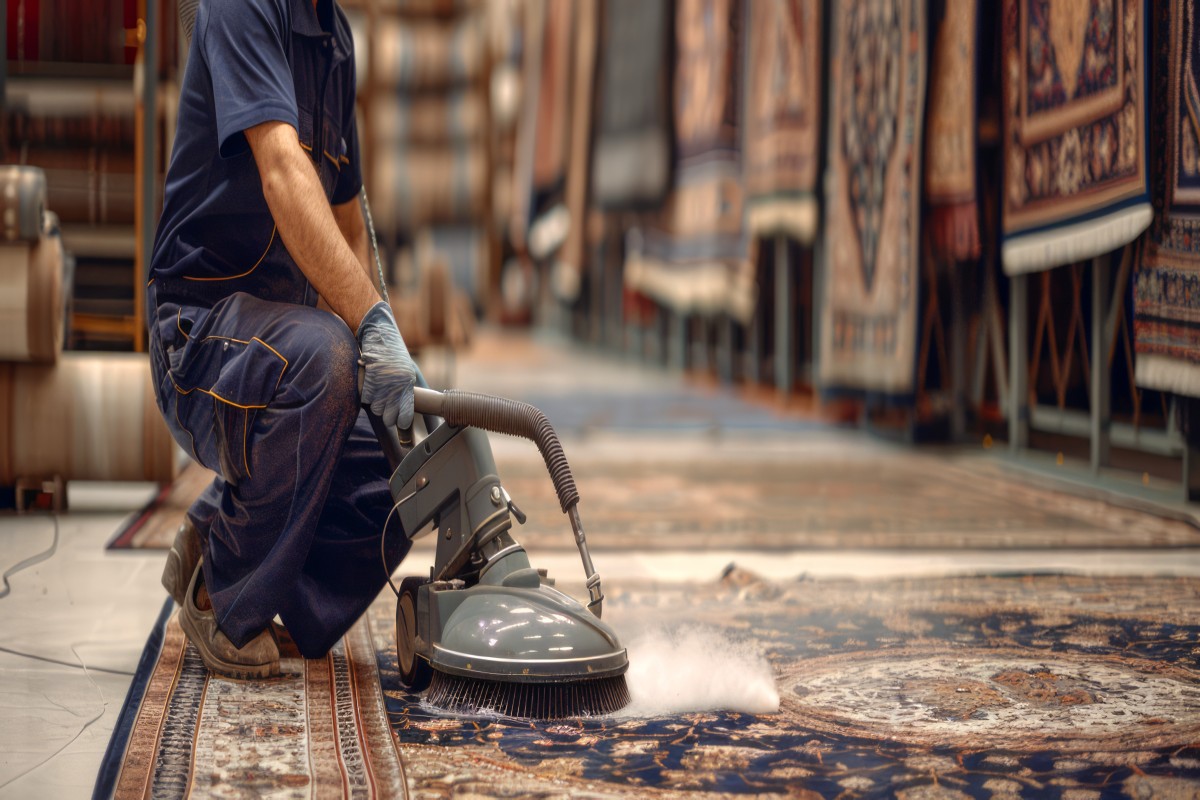
Investing in professional wool rug dusting and cleaning is the single most critical step in preserving the longevity, structural integrity, and natural sheen of an authentic hand-knotted textile. Unlike mass-produced synthetic wall-to-wall carpets or tufted rugs held together by latex adhesives, authentic Persian, Turkish, and Oriental rugs feature a dense, hand-tied wool pile knotted around cotton or wool foundation warps and wefts. While this tight weave makes them resilient, it also traps atmospheric pollutants, fine grit, and pulverized silica sand that standard vacuum cleaners cannot reach.
In this guide, we examine the mechanical threat fine soil poses to dense wool piles, explore why washing without deep extraction causes long-term structural harm, contrast commercial steam cleaning with sub-surface dusting, outline safe maintenance habits you can practice at home, and show you how a scheduled wash consultation with Rose Oriental Rugs in Berkeley protects your valuable floor coverings for generations.
The Hidden Mechanics: How Trapped Dry Soil Destroys Wool Fibers
Scheduling professional wool rug dusting and cleaning before any water or shampoo touches the pile matters because dry particulate soil acts like microscopic sandpaper inside the rug’s foundation. Every time someone walks across a wool rug, foot pressure pushes surface grit deeper toward the knot nodes.
Under high magnification, coarse outdoor soil and street dust consist of sharp, fractured mineral particles, chiefly quartz, feldspar, and silica. Natural wool fibers have a protective outer layer of overlapping scales called the cuticle. As people step on an un-dusted rug, these rigid mineral edges grind repeatedly against the cuticle scales and cotton foundation threads. Over months and years, this constant abrasion saws through individual wool fibers at the base of the knot, causing bald spots, fraying, and pile shedding that topical conditioning can never reverse.
[ Footstep Impact ] ► Pushes sharp quartz grit downward
▼
[ Rug Foundation ] ► Sharp grit saws against yarn nodes
▼
[ Resulting Damage ] ► Broken fiber cuticles, foundation rot, and traffic-lane balding
Standard upright household vacuums are designed with suction channels meant for synthetic carpeting; they pull air solely from the top quarter-inch of the yarn. They do not generate the harmonic vibration or airflow volume required to lift compacted soil out of hand-tied knot foundations.
Why Wet Washing Without Sub-Surface Dusting Causes Mud and Odor
Relying on professional wool rug dusting as an isolated preliminary step separates dedicated textile conservators from general carpet cleaners. When an untrained cleaner takes a soiled hand-knotted rug and applies water, detergent, or carpet shampoo without first extracting the dry particulates, they turn hidden dust into subterranean mud.
A standard 8×10 hand-knotted Persian rug can easily conceal eight to twelve pounds of dry dirt without looking visibly dirty on the surface. When saturated with water, that trapped powder forms a dense sludge within the warp and weft fibers.
| Process Stage | Proper Sub-Surface Dusting Protocol | Wet Cleaning Without Dry Dusting |
| Pre-Wash Extraction | Mechanical harmonic vibration removes 95%+ of dry soil | Zero dry extraction; grit remains locked deep in the pile |
| Water Interaction | Fresh water and gentle soaps rinse clean fibers easily | Water mixes with pounds of dirt, creating thick mud |
| Drying Time | Quick, uniform evaporation in a climate-controlled room | Extended drying time due to trapped, moisture-wicking mud |
| Post-Wash Texture | Soft, flexible handle; restored natural wool lanolin | Stiff, brittle foundation; lingering musty odors |
| Risk of Fiber Rot | Negligible; weft threads breathe freely | High; wet cellulose and trapped mud breed mildew |
Once mud solidifies inside cotton warp threads, the rug develops a stiff, cardboard-like feel. Worse, moisture trapped in the compacted soil drastically slows evaporation, creating a breeding ground for mold spores, dry rot, and unpleasant damp smells.
The Harmonic Vibration and Air-Dusting Methodology
Professional wool rug dusting cleaning requires specialized equipment engineered for hand-woven textiles. Experienced rug cleaning facilities do not beat rugs with sticks or drag heavy industrial scrubbers across sensitive wool face fibers.
The professional sub-surface extraction process relies on three sequential steps:
- Dry Inspection and Vacuuming: The rug is laid flat, face down, on a specialized open-mesh grid floor. A gentle, high-filtration commercial pile vacuum passes over the back to open the outer warp channels.
- Harmonic Mechanical Agitation: A dedicated dusting machine delivers thousands of mild, high-frequency harmonic vibrations per minute across the back of the rug. This low-impact vibration flexes the foundation threads without breaking the knots, causing compacted sand, pet dander, and quartz granules to dislodge and drop cleanly through the grid beneath the rug.
- Compressed Air Jetting: Following harmonic agitation, high-volume, low-pressure compressed air is directed across the face and back at precise angles. This air stream dislodges lingering microscopic dust particles from deep within the knot intersections without damaging the delicate, hand-spun wool fibers.
Only when zero dust falls from the foundation grid is the rug cleared for pH-balanced botanical immersion washing.
Common Mistakes Homeowners Make with Fine Hand-Knotted Textiles
Without understanding the value of professional wool rug dusting and cleaning, homeowners often adopt cleaning shortcuts that accelerate damage to their family heirlooms.
Cleaning Pitfalls to Avoid
- Renting Hot Water Carpet Extractors: Supermarket steam-cleaning units inject scalding water and high-alkaline detergents deep into the rug, setting vegetable dye bleeds, stripping natural protective lanolin oils, and failing to extract the wet sludge.
- Aggressive Upright Vacuum Beater Bars: Rotating, stiff-bristled brush rollers grab the long woolen pile and delicate cotton fringes, unraveling ends and tearing hand-tied edge selvages.
- Baking Soda and Powder Deodorizers: Sprinkling talc or scented baking soda onto a wool rug creates microscopic chalk deposits. These powders settle deep into the knots, absorb ambient moisture, and are almost impossible to remove without professional air equipment.
- Topical Spot Cleaning with Dish Soaps: Household dishwashing liquids contain high-foaming degreasers that remove the essential grease-resisting lanolin coating from wool fibers, leaving the cleaned patch stiff and susceptible to rapid resoiling.
Caring for Your Wool and Silk Rugs at Home Between Wash Cycles
Complementing professional wool rug dusting with good home maintenance habits helps preserve your rug between comprehensive cleanings. While deep sub-surface extraction requires dedicated studio machinery, careful weekly routines slow down soil accumulation.
Vacuum your rug weekly using suction only. Turn off the beater bar, or use a wide upholstery brush attachment. Glide the wand along the direction of the pile rather than pushing against it. To determine pile direction, run your hand across the surface; the smooth, soft direction is “with” the nap, while the rough, slightly resistant direction is “against” it.
Never vacuum over the fringes. Fringes extend the foundation warps holding your rug together; catching them in a vacuum motor can unravel entire rows of knots in seconds.
Rotate your rug 180 degrees every six to twelve months. This distributes foot traffic evenly across pathways and balances natural sunlight exposure coming through windows, preventing localized fiber compaction and uneven color fading.
Preserving East Bay Rug Collections with Rose Oriental Rugs in Berkeley
Entrusting your hand-knotted textiles to professional wool rug dusting and cleaning specialists ensures that age-old weaving traditions receive the specialized care they require. At Rose Oriental Rugs in Berkeley, we approach every textile not merely as floor decor, but as a hand-crafted work of art with unique fiber chemistry and dye compositions.
Our Berkeley facility uses gentle harmonic dry dusting, cool-water immersion washing, and custom climate-controlled drying techniques tailored to high-value antique, vintage, and modern wool and silk rugs. Whether you need deep soil removal for an inherited Heriz, delicate spot treatment for an Isfahan, or structural fringe reinforcement, our experienced team provides honest, expert evaluations and careful textile care.
Frequently Asked Questions
How often should hand-knotted wool rugs receive professional dusting and cleaning?
For rugs placed in moderate-traffic areas (such as living rooms and dining rooms), professional sub-surface dusting and immersion washing every 2 to 4 years is ideal. For high-traffic entryways, households with indoor pets, or homes in dusty environments, inspect and dust every 12 to 18 months to prevent sand from sawing through foundation knots.
How do I tell if my rug is filled with dry soil?
Fold a corner of your rug back over your hand, with the pile facing upward, to open up the knot rows. If you see grey or tan grit nestled at the very base of the threads, or if a gentle pat on the back of the rug releases a small cloud of dust onto the floor, the foundation is holding compacted soil that needs extraction.
Why shouldn’t I let my carpet cleaner clean my Oriental rug in my home?
In-home carpet cleaners use hot water extraction machines built for wall-to-wall synthetic carpets. These systems cannot extract sub-surface sand, often reach temperatures that shrink natural wool fibers, and leave rugs damp on top of hardwood floors, which risks dye migration and flooring damage. Fine rugs must be washed flat on specialized wash floors and hung in dedicated drying rooms.
Does professional dusting weaken older or antique rugs?
No. Modern textile dusting relies on low-amplitude harmonic frequency rather than forceful beating. This gentle motion frees loose sand without stressing vintage or fragile wool strands. In fact, removing abrasive grit relieves ongoing mechanical stress and significantly extends the life of older textiles.
What should I do immediately when a spill occurs on my wool rug?
Blot the spill immediately with clean, dry white cotton towels to absorb as much liquid as possible; never rub. Avoid using commercial stain sprays, oxy-cleaners, or dish soap, which can bleach vegetable dyes or set tannins. If liquid remains, blot with a cloth dampened with cool water and contact a professional rug cleaner promptly.
Will regular vacuuming keep sub-surface soil out?
Routine suction vacuuming removes loose surface lint and newly tracked-in dirt, which is helpful. However, gravity, foot pressure, and normal fiber movement constantly work dry grit down into the tight foundation nodes where normal suction cannot reach. Sub-surface dusting remains essential for total soil removal.
Can moth damage be prevented through regular dusting?
Yes. Carpet moths and carpet beetles feed on keratin proteins found in soiled, unwashed wool fibers, particularly in dark, undisturbed areas beneath sofas and heavy furniture. Thorough harmonic dusting and immersion cleaning eliminate moth larvae, eggs, and organic food sources that attract pests.
Schedule Your Rug Care Consultation in Berkeley
Preserve the rich texture, natural colors, and structural value of your hand-knotted textiles with expert care. If your rugs feel stiff underfoot, show signs of traffic wear, or haven’t had deep soil extraction in several years, our team is here to help.
Contact Rose Oriental Rugs in Berkeley today to schedule a comprehensive rug inspection and professional dusting service. Visit our Berkeley showroom or call our team directly to discuss safe care and restoration options for your collection.