

Why Regular Rug and Carpet Cleaning Berkeley Prevents Natural Fine Fiber Breakdown

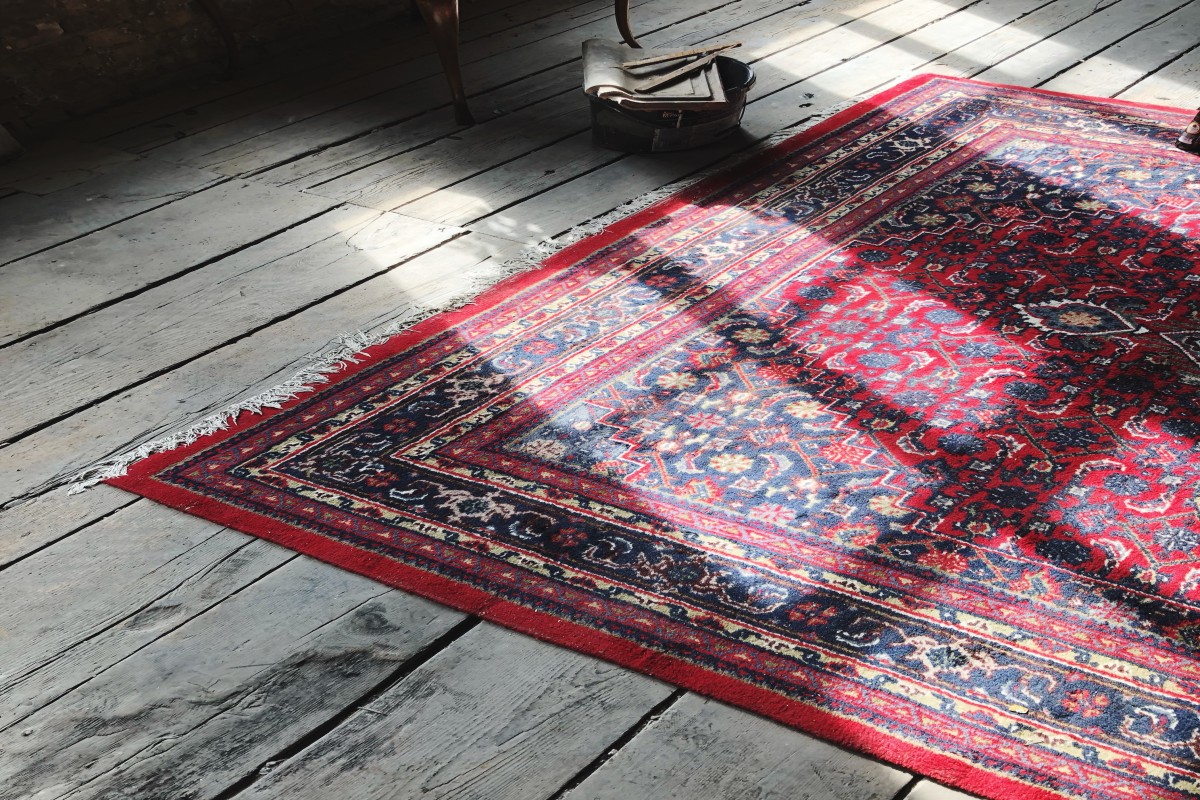
Investing in routine carpet cleaning Berkeley homeowners rely on is the single most effective way to safeguard delicate wool, silk, and cotton rugs from permanent structural decay. Unlike synthetic nylon or polyester carpets that melt or mat down over time, natural fibers are living organic structures that respond directly to their physical environment.
In this comprehensive guide, we examine the physical structure of protein and cellulose fibers, explain how sharp grit acts as microscopic sandpaper against yarn nodes, explore the specific risks posed by the East Bay marine climate, break down why standard hot-water rental machines destroy woven foundations, outline our specialized multi-step washing process, and provide actionable maintenance habits to extend the working life of your textiles.
Taking care of fine rugs requires understanding how natural yarns behave under physical load and environmental stress. Whether you have inherited a vintage Persian runner or invested in a flat-weave kilim for your Berkeley home, proactive fiber care stops small wear patterns from becoming irreversible structural losses.
The Anatomy of Natural Fibers: Wool, Silk, and Cotton
When evaluating your schedule for carpet cleaning Berkeley properties need, you must first understand the organic makeup of the fibers underfoot. Wool consists of keratin proteins covered by microscopic, shingle-like cuticles, while natural silk is a continuous fibroin protein filament known for its tensile strength and light refraction. Cotton, a cellulose plant fiber, commonly serves as the warp and weft foundation yarns that anchor the pile knots in hand-knotted textiles.
Because these fibers are natural, their resilience depends on controlled moisture retention and structural flexibility. Wool fibers have natural crimp, allowing them to spring back after compression from foot traffic or heavy furniture. However, when microscopic debris lodges under the wool scales or between twisted silk filaments, that natural elasticity fails. Without regular dust extraction, walking across the rug forces those microscopic scales to snap, thinning out the pile and exposing the internal foundation.
The Sandpaper Effect: How Dry Particulate Soils Cut Fibers
Most homeowners wait until a textile looks noticeably dingy before booking carpet cleaning Berkeley specialists recommend, but visible staining is merely the final stage of contamination. The real danger lies buried deep within the pile: insoluble, abrasive particulate matter such as quartz, silica, decomposed granite, and street grit tracked in from outside.
These dry soil particles have jagged, razor-sharp edges. Every time someone steps on the rug, the pile bends and rubs against this accumulated particulate grit:
- Micro-shearing: Heavy footfall acts like a mechanical pestle, pressing sharp soil grains directly against the base of the wool knot.
- Fiber fraying: As yarns flex against grit, the outer protective cuticles are abraded, leaving raw inner cortex cells exposed to spills and oxidation.
- Foundation erosion: Sifted silica settles into the cotton warp and weft, slicing through structural foundation cords and causing sudden tears along high-traffic corridors.
Regular home vacuuming only lifts loose soil from the top third of the pile. Fine silt and heavy quartz fall straight to the base of the foundation, where only professional mechanical vibration and deep fluid rinsing can safely dislodge them.
Microclimate Challenges: Fog, Moisture, and Mold in the East Bay
Local atmospheric conditions heavily influence indoor air quality and textile life, making routine carpet cleaning Berkeley residences critical for preventing biological rot. Berkeley’s proximity to the San Francisco Bay brings cool, fog-laden air and elevated indoor humidity levels, particularly during summer marine layer cycles and winter rainstorms.
Natural wool and cotton absorb atmospheric moisture like a sponge. In moderate levels, moisture maintains wool elasticity, but when high humidity combines with trapped skin cells, pet dander, and cooking oils, it creates an ideal habitat for biological breakdown:
- Cellulose Rot: Cotton foundation yarns trapped under damp, unwashed wool piles can develop “dry rot,” becoming brittle and snapping with the slightest bend.
- Moth and Beetle Activity: Clothes moth larvae and carpet beetles do not eat clean wool; they seek out sulfur-rich proteins found in organic soils, sweat deposits, and spilled beverage residues bonded to fibers.
- Mildew Odors: Trapped dampness inside thick knotting produces musty mildew that degrades natural vegetable and chrome dyes.
Controlling humidity helps, but thoroughly washing out the organic nutrients that feed pests and bacteria stops fiber rot before it takes hold.
Why Standard Steam Extraction Damages Fine Woven Rugs
Many residents assume that hiring an ordinary, wall-to-wall truck-mounted service for carpet cleaning Berkeley jobs will work just as well on an area rug, but this often causes catastrophic damage. Synthetic wall-to-wall carpets are glued or stretched over tack strips and tolerate high heat and aggressive alkaline detergents, whereas natural fibers react poorly to both.
Here is why commercial steam extraction damages natural textiles:
| Factor | Wall-to-Wall Steam Cleaning | In-Plant Fine Rug Immersion |
| Water Temperature | Boiling steam (>200∘F) that strips natural lanolin | Cold-to-lukewarm water that protects natural fiber oils |
| Detergent pH | High alkalinity (pH 9.0–11.0) causing fiber embrittlement | Mild, pH-neutral washes (pH 5.5–7.0) preserving colors |
| Drying Method | Left damp on floor for 6–12 hours; risk of dye bleed | Climate-controlled dry rooms with continuous laminar airflow |
| Soil Removal | Surface suction leaves heavy silt packed in roots | Deep mechanical dusting extracts dry sand before washing |
High heat shrinks natural wool fibers, causing uneven puckering and curl along rug edges. Furthermore, running alkaline steam over wool dissolves the protective outer membrane, leaving the yarn dull, dry, and prone to rapid re-soiling.
The Multi-Step Immersion and Dusting Process for Fine Textiles
Restoring fine textiles requires an in-depth workshop approach rather than a fast surface pass, demonstrating why proper carpet cleaning Berkeley collectors utilize follows strict textile conservation steps. True cleaning does not occur inside your living room; it requires dedicated facilities equipped for controlled immersion and rapid drying.
- Pre-Wash Inspection: Technicians test dye stability, assess fiber integrity, document pre-existing wear, and identify fiber types under magnification.
- Harmonic Dry Soil Evacuation: Before a single drop of water touches the rug, specialized dusting equipment applies gentle harmonic vibrations to the back of the textile, shaking loose pounds of compacted silica trapped at the knot base.
- Submersion Washing: The rug is placed into an immersion wash pit with pure, temperature-controlled water and neutral cleansers. Soft brushes gently massage both the face and back of the pile, lifting oily films without breaking delicate cuticles.
- Complete Rinsing: Fresh water flushes through the foundation until the discharge runs crystal clear, ensuring no residual soap remains to attract future dirt.
- Centrifugal Extraction & Controlled Drying: High-speed centrifugal wringers remove up to 95% of moisture in minutes without mechanical twisting. The rug is then suspended in an engineered drying room with regulated heat, airflow, and humidity monitoring to prevent dye migration and mildew growth.
Routine At-Home Care to Prevent Irreversible Fiber Wear
Between scheduled appointments for carpet cleaning Berkeley homeowners maintain, adopting smart day-to-day habits significantly reduces mechanical fiber breakdown. Preventive care minimizes the rate of abrasive particulate buildup and protects high-wear pathways.
- Vacuum Without the Beater Bar: Use a suction-only canister vacuum or raise the revolving brush completely. Aggressive motorized bristles fray hand-spun wool and snag delicate fringe tassels.
- Rotate the Rug Bi-Annually: Turn rugs 180 degrees every six months to distribute foot traffic, footrest friction, and natural window sunlight evenly across the pile.
- Use High-Density Felt Padding: Laying a solid, breathable rubber-and-felt pad underneath prevents the rug from rippling, reduces shear stress against hard subfloors, and absorbs impact shocks.
- Blot, Never Scrub Spills: When liquids spill, blot straight down immediately with clean, undyed cotton towels. Vigorous side-to-side scrubbing grinds liquid contaminants deeper into the fiber core and untwists yarn tips.
Frequently Asked Questions
How often should natural wool rugs undergo professional deep cleaning?
In typical residential homes, hand-knotted and fine machine-woven wool rugs should be thoroughly washed every 12 to 18 months. If the rug sits in a main entry, dining space, or home with pets, scheduling an inspection and wash every 12 months prevents deep particulate settling.
Can vacuuming alone keep abrasive grit out of a rug?
No. Standard vacuums pull air across the surface, capturing top-level fuzz and loose crumbs. Heavy particulate sand and mineral soils sink past the pile directly into the warp and weft foundation cords, where suction alone cannot dislodge them.
What causes a wool rug to feel scratchy or shed excessively?
Excessive shedding and brittle, scratchy fibers usually indicate either dry fiber decay from alkaline detergent exposure or severe grit accumulation slicing through the yarn strands. Using proper pH-balanced washes helps restore natural moisture balance to the wool fibers.
Why do fringe ends turn gray and break apart easily?
Fringe threads are the exposed ends of the structural cotton warp cords that hold the rug together. Because they have no pile cushion, they take direct wear from foot traffic and vacuum wheels. Trapped dirt weakens the cellulose fibers, causing them to snap off unevenly.
Will professional immersion washing cause vegetable dyes to bleed?
No, provided the wash is carried out by trained rug care specialists who test dye fastness prior to immersion. Professionals use stabilizing rinses and cold-water bath techniques specifically engineered to lock natural, mineral, and vegetable dyes in place during the cleaning cycle.
How do I protect delicate silk rugs from foot traffic damage?
Silk rugs feature fine filaments that are sensitive to liquid abrasion and friction. Place silk textiles in low-traffic areas such as bedrooms or display walls, avoid wearing outdoor shoes on them, and address accidental spills with immediate dry blotting rather than commercial chemical spot cleaners.
Protect Your Investment with Specialized Care
Preserving the character and durability of fine woven rugs requires knowledgeable care and precise washing methods tailored to natural fibers. Allowing abrasive dirt to accumulate or subjecting delicate textiles to improper cleaning shortens their working life and damages their foundation.
Contact Rose Oriental Rugs today to schedule an inspection or arrange drop-off for our specialized rug washing services. Our team provides gentle dusting, immersion washing, and meticulous structural repairs to keep your fine rugs vibrant, resilient, and structurally sound for years to come.