

Oriental Rug Cleaning Safely: The Guide to Packing and Storing to Avoid Mildew

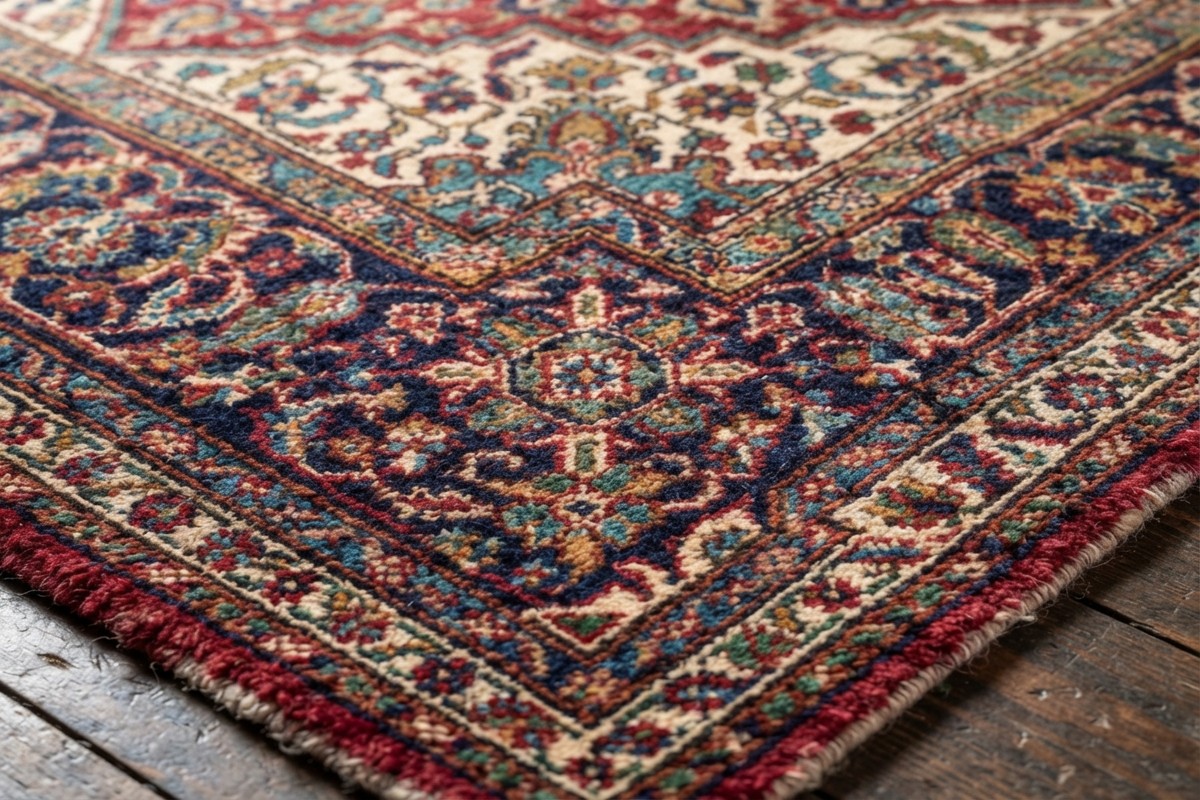
Learning how to approach oriental rug cleaning safely before putting fine textiles into storage is the single most critical step to prevent irreversible moisture damage, pest infestations, and dry rot. Hand-knotted rugs made of wool, silk, or cotton are durable underfoot, but they become highly vulnerable when rolled up in dark, unventilated spaces.
In this guide, we walk through the biology of rug mildew, explain how to clean your carpets before packing, outline the exact materials you need to wrap them properly, identify the safest storage environments, and highlight common mistakes that ruin heirloom rugs.
Why Mildew and Dry Rot Threaten Natural Fibers
Understanding the need for oriental rug cleaning safely starts with understanding how mold spores interact with animal and plant fibers. Wool and silk contain natural proteins, while cotton foundation warps consist of cellulose. When microscopic mold spores settle into an organic fiber with a relative humidity level above 65%, they feed on the organic material and organic soils trapped inside the pile.
The result is not just a foul, musty odor; it is fungal dry rot (mildew rot). Fungi break down the structural cellulose chains of the cotton foundation threads. Once dry rot sets in, the cotton warps become brittle and snap under the slightest pressure, leaving holes that require costly structural re-weaving to fix.
Moisture can come from high ambient room humidity, a damp concrete floor, or residual moisture left behind after an improper home wash. Eliminating trapped moisture before long-term packing is essential to keep the textile stable.
Pre-Storage Prep: Cleaning Your Rug Before Rolling
Executing your oriental rug cleaning safely prior to packing prevents you from accidentally sealing moth eggs, dirt, and pet residue into the dark wrap with the wool. Packing an unwashed rug is essentially setting a banquet table for clothes moths (Tineola bisselliella) and carpet beetles, which are attracted to animal fibers containing keratin, urine salts, food spills, and skin flakes.
Follow these baseline steps before storing any hand-knotted piece:
- Perform a Thorough Low-Suction Vacuuming: Vacuum both the face of the pile and the reverse side using suction only. Avoid using rotating beater brushes, which shred fringe threads and grab hand-knotted pile loops.
- Address Spots with Fiber-Safe Solutions: Never apply commercial spot cleaners from grocery stores. Most contain optical brighteners or harsh bleach alternatives that strip natural vegetable dyes. Blot spills gently with cold water and mild neutral wool detergent.
- Ensure Complete Drying: If the rug has been washed, it must dry entirely through the inner core. Even if the surface wool feels dry to your fingers, the thick cotton foundation yarns deep inside can retain moisture for days.
- Inspect the Fringe: Examine the fringe closely. If fringe tassels look gray, crusty, or stiff, embedded dirt is sitting in the foundation edges where rot typically starts.
| Pre-Storage Task | Safe Practice | Danger to Avoid |
| Dust Removal | Air dusting or canister vacuum without beater bar | High-powered upright brush rollers |
| Spot Treatment | pH-neutral wool cleanser, blotting with cotton towel | Scrubbing vigorously with enzyme cleaners or ammonia |
| Washing Method | Submersion wash with full extraction drying | Surface steam cleaning with hot water extractors |
| Pest Protection | Clean thoroughly; use cedar blocks near (not on) the rug | Mothballs (leaves toxic, permanent chemical odors) |
Safe Packing Materials: What to Use and What to Avoid
When preparing your textile, carrying out oriental rug cleaning safely must be paired with breathable packing materials. The most common and catastrophic mistake homeowners make is sealing rugs inside heavy plastic bags or shrink-wrap.
Plastic traps changes in ambient room temperature. When warm air cools inside an airtight plastic sleeve, condensation forms on the plastic’s interior wall. That trapped condensation drips directly back onto the wool, creating a greenhouse effect for mildew.
Recommended Packing Supplies
- Acid-Free Brown Kraft Paper: Heavyweight craft paper breathes naturally, shielding the wool from light and dust while letting ambient moisture cycle in and out.
- Unbleached Muslin or Cotton Fabric: Clean cotton sheeting wrapped twice around the rug allows complete airflow while keeping surface dust and insects out.
- Cotton Twill Ribbon: Use wide fabric ties rather than adhesive tapes to secure the roll. Never let packing tape contact fringe or wool pile, as adhesive residues oxidize and leave dark, sticky stains.
Rolling and Storing Step-by-Step
After handling your oriental rug cleaning safely, you must roll the textile following the natural direction of its pile:
- Determine Pile Direction: Pet the top surface of the rug. One direction feels smooth; the opposite direction offers resistance. Always roll with the grain (in the smooth direction) to avoid putting tension on the knots.
- Roll Wool Side In: For wool rugs, roll with the pile facing inward to protect the surface from friction. For stiff antique rugs or heavy silk carpets, rolling with the pile facing out is sometimes advised to reduce pressure on the foundation, but standard pile-in rolling works best for modern wool rugs.
- Keep the Roll Straight and Even: Do not pull one edge tighter than the other. Uneven rolling causes structural warping that will show up as ripples when the rug is later placed flat on the floor.
- Wrap and Fold the Ends: Wrap your breathable paper or muslin around the cylinder, leaving roughly 8 to 10 inches of excess wrap on both ends. Tuck the excess into the hollow center of the roll like the ends of a paper parcel.
- Elevate Off the Floor: Never place the rolled rug directly on a concrete floor. Concrete naturally wicks ground moisture upward into the paper. Rest the roll horizontally on a wooden pallet, shelf, or elevated rack. Never store rugs standing vertically on end, as the bottom edges will buckle under the weight.
Choosing the Right Storage Environment
Wrapping your textiles cleanly does not matter if your environmental controls fail, which is why practicing oriental rug cleaning safely must extend to where you keep them.
Avoid attics, unfinished basements, and standard uninsulated storage units. Attics reach high heat levels that bake natural lanolin out of wool, making the fibers brittle. Unfinished basements are notorious for high relative humidity and damp foundations, creating an environment where mildew flourishes.
The ideal storage room should maintain:
- Temperature: A stable range between 60°F and 72°F.
- Relative Humidity: Kept consistently between 40% and 55%.
- Light Control: Kept dark or away from windows to prevent solar bleaching along exposed edges.
- Air Circulation: Kept open with light fan movement or a standalone dehumidifier to prevent stagnant air pockets.
For residents in the San Francisco Bay Area, ocean air and shifting fog patterns can raise indoor humidity quickly. If you are keeping heirloom rugs stored in Berkeley or coastal Alameda County, monitoring your storage closets with an inexpensive digital hygrometer is a smart step.
Frequently Asked Questions
Can I use mothballs when wrapping my oriental rug?
No. Mothballs contain naphthalene or paradichlorobenzene. These toxic chemicals produce noxious fumes, and their oily odors absorb deep into wool fibers, often proving impossible to wash out. Clean, washed wool stored in breathable paper is naturally unattractive to moths.
How often should I check on an oriental rug in storage?
Unroll and inspect your stored rugs every six months. Look for any musty scents, signs of insect casings, or stiffness along the fringe. Air the rug out on a dry day before re-wrapping it with fresh craft paper.
Is it safe to fold an oriental rug instead of rolling it?
Only thin, pliable flatweaves (like kilims) or specific silk rugs can safely handle gentle folding. Hand-knotted rugs with thick wool pile or stiff cotton warps should always be rolled. Folding puts immense strain on structural warps and can snap inner foundation threads, causing permanent creasing.
Can I clean an oriental rug myself with a rented carpet cleaner?
No. Rented steam extractors use scalding water, aggressive detergent formulas, and heavy suction that bleed vegetable dyes and leave the thick cotton foundation soaked. Submersion hand-cleaning by experienced professionals is the only safe way to clean natural-fiber rugs thoroughly.
How do I know if my rug already has dry rot?
Gently bend a corner of the rug backward so the cotton foundation threads on the underside flex. If you hear a distinct crunching sound, or if white foundation fibers snap like dry twigs, the rug is experiencing dry rot and requires professional stabilization.
What should I do if a stored rug smells musty when unrolled?
Do not try to mask the scent with deodorizing powders or perfumed fabric sprays. A musty smell means active mildew spores are present. Take the rug to an experienced rug washing facility for a full submersion wash, antibacterial rinse, and temperature-controlled dry room treatment.
Protect Your Fine Rugs with Rose Oriental Rugs
Storing a fine hand-knotted rug requires patience, the right materials, and a clean textile foundation. If your rugs need thorough inspection, specialized washing, or professional packing before a move or seasonal storage, trust the team at Rose Oriental Rugs in Berkeley.
Our artisans treat every textile with individual care, using traditional, non-abrasive hand-washing methods and temperature-controlled drying rooms designed to protect natural lanolin and dyes. Visit our Berkeley showroom or call our specialists today to schedule your rug evaluation.