

Carpet Binding Near Me: Custom Borders, Fringing, and Edge Repair Options

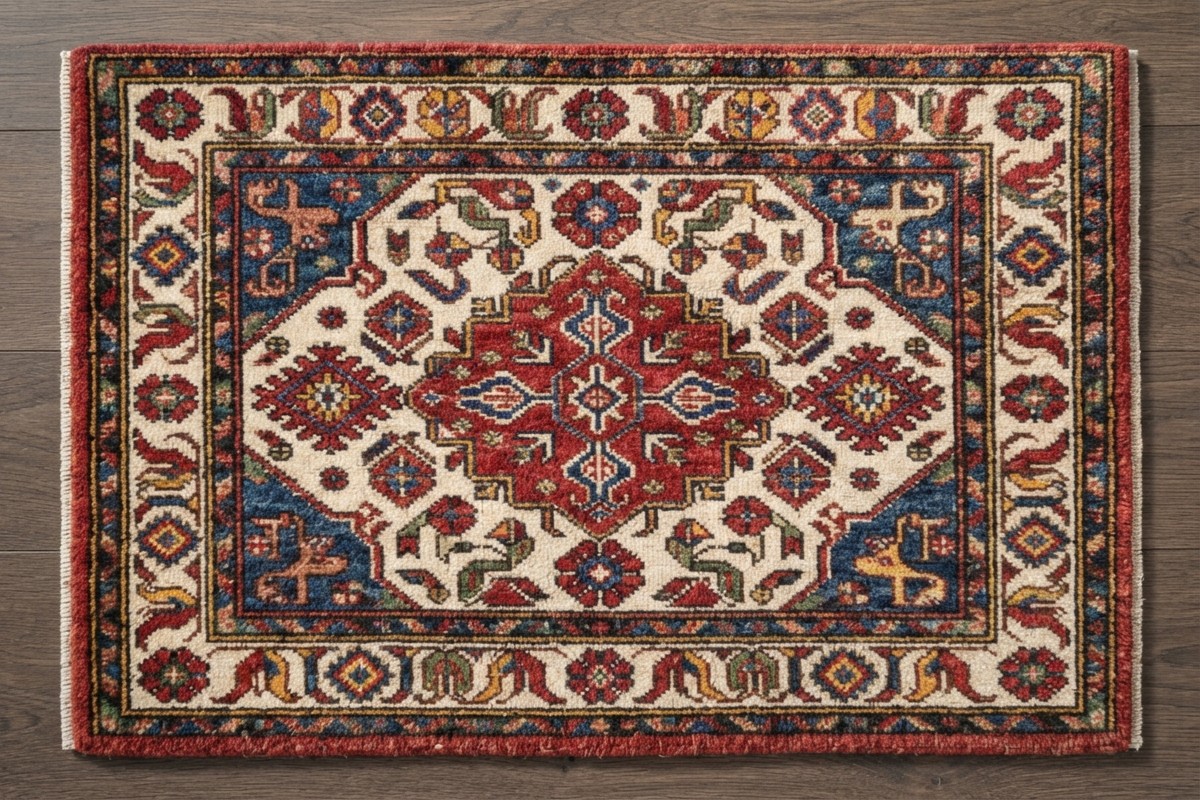
Searching for carpet binding near me usually means you have a remnant that needs clean finishing, an heirloom rug shedding threads along the perimeter, or a broadloom cut that needs custom shaping.
In this guide, we break down the major carpet finishing methods, including standard poly-binding, serging, wide fabric borders, fringing, and structural edge repair, so you know exactly which technique fits your rug’s construction, fiber type, and room placement.
Raw edges on carpet unravel quickly under foot traffic and vacuuming. Securing the perimeter prevents fiber loss, stops trip hazards, and transforms leftover carpet pieces into durable, custom-sized area rugs.
Why Search for Carpet Binding Near Me?
When homeowners look for carpet binding near me, they are usually trying to solve one of three common flooring challenges:
- Converting Remnants: Turning leftover broadloom carpet from a recent installation into matching runners, entryway mats, or living room area rugs.
- Resizing Oversized Rugs: Cutting down large pieces to fit new floor plans after a move or remodel.
- Preventing Edge Deterioration: Reinforcing worn sides on hand-knotted, machine-woven, or tufted carpets before loose yarns compromise the primary backing.
Finishing raw edges on-site without heavy-duty industrial equipment rarely lasts. Commercial binding machines apply calibrated tension and heavy-ply thread that standard home sewing machines cannot match.
The Primary Carpet Edge Finishing Methods
Different carpet styles, pile heights, and backing materials require specific edge treatments when evaluating carpet binding near me. Choosing the right method depends on your aesthetic goals, foot traffic levels, and budget.
| Edge Finishing Method | Best Used For | Typical Width Visible | Durability Level |
| Standard Polyester / Cotton Binding | Everyday remnants, basements, low-pile broadloom | 1/4 inch to 3/8 inch | Moderate to High |
| Yarn Serging | High-end wool rugs, classic oriental designs | 3/8 inch to 1/2 inch | High |
| Wide Fabric Border (Tape Binding) | Sisal, seagrass, flatweaves, modern area rugs | 1 inch to 3 inches | Very High |
| Fringing (Attached or Hand-Wrapped) | Traditional Persian, Turkish, and Oriental rugs | 2 inches to 5 inches | Moderate (requires gentle care) |
1. Standard Edge Binding
Standard binding uses a durable polyester, cotton, or synthetic tape wrapped over the raw edge and stitched down with a heavy lockstitch.
- Appearance: Low-profile, clean, and subtle.
- Color Matching: Binders match the tape directly to the carpet pile or pick a complementary accent tone.
- Best Application: Bedroom runners, playroom rugs, and general-purpose remnants.
2. Rug Serging (Overcasting)
Serging wraps continuous yarn around the perimeter in a tight, whipstitched pattern. It mimics the traditional, hand-finished selvage found on oriental textiles.
- Appearance: Thick, rounded yarn border with no visible flat fabric tape.
- Yarn Matching: Matched using real wool yarn for natural fiber rugs or spun synthetics for modern broadloom.
- Best Application: Dining rooms, formal living spaces, and wool carpets.
Custom Borders: Wide Canvas, Leather, and Linen Treatments
If you are sourcing carpet binding near me for natural fiber carpets, like sisal, jute, seagrass, or coir, standard narrow binding rarely provides enough surface coverage to prevent unweaving. These flatweaves benefit from wide fabric borders that encase the thick edge cords.
Popular Border Materials:
- Cotton Duck & Canvas: Durable, breathable, and available in dozens of neutral and accent shades.
- Linen: Offers a soft, natural texture that pairs well with low-profile wool loops.
- Top-Grain or Faux Leather: Adds structural weight to rug corners and provides a modern, clean-lined finish for home offices and dens.
- Mitered vs. Lapped Corners: Mitered corners meet at a tailored 45-degree angle, preventing bulky overlaps at the rug’s edges.
Fringing Options: Natural End Finishes vs. Replacement Fringe
Fringe represents the natural warp yarns of a genuine hand-knotted rug. However, when seeking carpet binding near me to repair damaged fringe or add a decorative end to a machine-loomed piece, there are two distinct paths to consider.
True Structural Fringe (Hand-Knotted Rugs)
On authentic woven rugs, the fringe is the foundation of the piece. If it begins pulling apart:
- Artisans secure the end with an end-stop stitch (such as a chain or overcast stitch) to stop the pile from unraveling.
- The remaining warp ends are hand-washed and re-braided or clipped evenly.
Applied (Sewn-On) Fringe
For tufted or machine-woven rugs, fringe is purely decorative:
- Prefabricated cotton, wool, or silk-blend fringe bands are sewn directly beneath the edge using an industrial blind-stitch machine.
- When worn out, the old strip is carefully removed and replaced without damaging the body of the carpet.
Rug Edge Repair: Fixing Fraying Sides and Loose Selvages
Edge wear is the most common reason clients search for carpet binding near me. Ignoring a loose side cord allows foot traffic to strip away the outer rows of knots or tufts.
| Warning Sign | What It Looks Like | Underlying Cause | Risk Level |
| Selvedge Detachment | Yarns pulling loose along the long edges | Broken side cords or failed edge stitching | High — Unravels into the main pile quickly |
| Exposed Foundation | Visible white warp or weft threads along the perimeter | Pile fiber loss from foot traffic or abrasive vacuuming | Moderate to High — Weakens structural integrity |
| Curling Corners | Rug edges rolling upward or buckling | Dried, degraded, or shrinking sizing latex/glue | Moderate — Creates a tripping hazard |
| Binding Separation | Fabric tape lifting away from the carpet backing | Broken lockstitches or degraded adhesive | Moderate — Leaves raw edges unprotected |
| Mechanical Damage | Frayed, chewed, or shredded overcasting yarns | Pet scratching, chewing, or vacuum beater-bar friction | High — Tears foundational side cords |
How Professional Edge Repair Works:
- Inspection and Trimming: Loose, damaged yarns are trimmed away to expose clean foundation threads.
- Re-Securing the Foundation: Technicians anchor the edge to stop unraveling into the main field.
- Hand-Serging or Machine Binding: Wool or heavy-duty synthetic yarn is bound around the original cord, matching the original tension and fiber profile.
What to Look for in a Local Carpet Binding Specialist
Not every shop has the tooling or technical knowledge to handle every type of rug. When evaluating a professional provider for carpet binding near me, check for the following:
- In-House Machinery: Ensure the shop handles cutting, beveling, binding, and serging on-site rather than outsourcing to third parties.
- Familiarity with Fiber Types: Wool, silk, polypropylene, and plant fibers (sisal/jute) behave differently and require distinct tensions, needles, and binding tapes.
- Hand-Repair Capabilities: If you have an antique or hand-knotted piece, verify that their team performs traditional hand-serging rather than running the piece through an abrasive, high-speed machine.
For Bay Area residents, visiting an established showroom like Rose Oriental Rugs in Berkeley lets you evaluate edge samples in person, compare binding tapes against your home swatches, and have delicate or custom pieces assessed directly by experienced rug technicians.
Frequently Asked Questions
What is the difference between carpet binding and rug serging?
Carpet binding wraps a flat fabric tape (polyester or cotton) over the edge and stitches it down flat. Serging uses continuous yarn wrapped tightly around the edge to create a thick, hand-sewn, rope-like finish.
How much does carpet binding usually cost per linear foot?
Standard polyester tape binding typically costs between $2.00 and $4.00 per linear foot. Wide fabric borders, specialty leather tape, and yarn serging range from $5.00 to $12.00 or more per linear foot depending on labor and materials.
Can I bind raw carpet edges at home using DIY tape?
Self-adhesive DIY tapes exist for quick fixes, but they generally fail over time when exposed to vacuuming and foot traffic. Professional equipment uses lockstitch sewing needles that pass completely through the primary and secondary backings.
Can frayed fringe be completely removed and bound instead?
Yes. If you prefer a cleaner, modern look or want to avoid vacuum tangles, a specialist can shear away the damaged fringe, secure the exposed end-wefts, and apply standard binding or serging across the ends.
How long does custom edge binding typically take?
Most local workshops complete standard binding and serging projects within 3 to 7 business days, depending on the number of cuts and the availability of matching yarn or tape.
Can you re-bind a rug that has already started unraveling?
Yes, but the damaged perimeter must be trimmed straight or structurally reinforced first. Binding over an unstable, unraveling core will cause the new stitch line to pull away from the rug body.
Schedule an Edge Inspection or Custom Binding Project
Protect your flooring investment before loose edges spread. Whether you have custom broadloom remnants to finish or an antique piece that needs hand-serged perimeter repair, our team at Rose Oriental Rugs in Berkeley provides precise edge finishing, custom borders, and structural repairs tailored to your carpet’s construction.
Contact Rose Oriental Rugs in Berkeley today to request a custom binding quote, review border swatches, or book an in-person edge assessment for your rugs.