

Marseille, Heriz, and Tabriz: Deep Wash Protocols for Fine Iranian Weaves

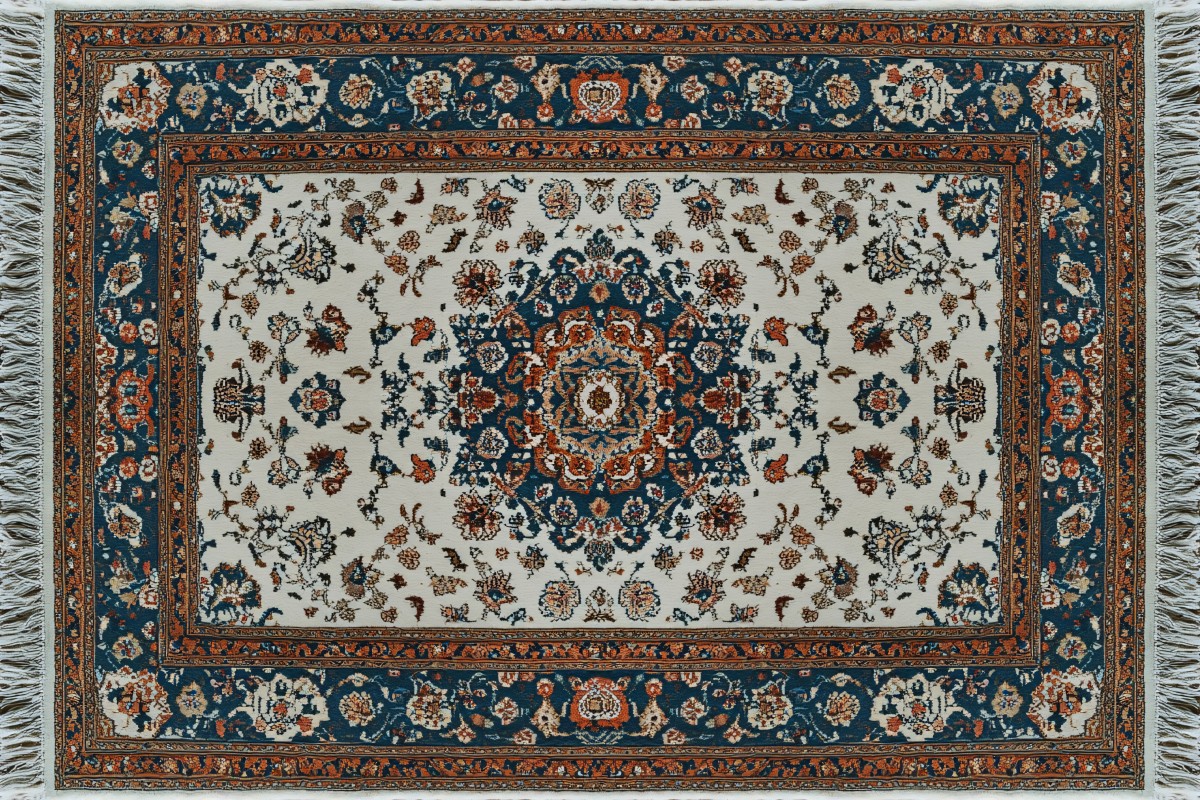
Authentic Iranian carpet cleaning requires a customized technical approach because every weaving district relies on distinct wool qualities, knot structures, foundation tensions, and dye chemistry. Whether you own an expansive French-influenced Marseille-pattern weave, an indestructible geometric Heriz from Northwest Iran, or an intricate silk-foundation Tabriz, a single generic cleaning method will cause irreversible structural damage.
In this comprehensive guide, we will analyze the exact material profiles of these three classic weaves, detail the step-by-step immersion wash sequence required to protect delicate fibers, outline common home-cleaning mistakes that trigger dye bleeds, provide clear maintenance intervals, and explain how our dedicated rug care team at Rose Oriental Rugs in Berkeley restores structural integrity to collector-grade textiles.
The Structural Anatomy of Marseille, Heriz, and Tabriz Weaves
Before initiating any Iranian carpet cleaning protocol, a conservator must evaluate the knot profile, foundation tension, and pile fiber density of the textile. Each rug style responds differently to hydration, mechanical agitation, and drying cycles.
- Heriz Weaves (Mount Sabalan Region): Built on thick cotton warps and wefts using resilient, coarse highland wool rich in natural lanolin. Their heavy knotting tolerates deeper mechanical dusting, but their copper-rich alluvial dyes require precise pH balancing.
- Tabriz Weaves (Azerbaijan Province): Recognized by high knot densities (ranging from 40 to 80 raj), thin double-weft foundations, and fine kurk wool or natural silk highlights. Their tight foundation fibers compact when wet, making moisture extraction difficult without controlled suction.
- Marseille-Style Iranian Weaves: Commissioned Persian workshop pieces reflecting 18th-century French Savonnerie and Aubusson floral aesthetics. They typically feature soft, pastel-dyed wool on delicate cotton or silk bases that bleed easily when exposed to alkaline detergents.
Key Structural Differences and Cleaning Requirements
To safely clean these textiles, technicians adjust water volume, soap selection, and agitation intensity based on the rug’s construction profile.
| Characteristic | Heriz Weave | Tabriz Weave | Marseille-Style Persian |
| Pile Composition | Coarse, lanolin-dense highland wool | Fine kurk wool, often blended with pure silk | Low-shear wool with subtle silk highlights |
| Foundation Tension | Heavy, rigid cotton warp/weft | Extremely tight, high-tension foundation | Moderate tension, delicate selvage borders |
| Primary Dye Types | Madder root, copper mordants, walnut | Fine vegetable & stable synthetic blends | Delicate pastel natural dyes (rose, cream, olive) |
| Wash Risk | High grit buildup in foundation | Warp snap, silk pile distortion | Severe dye bleed in light fields |
| Core Cleaning Focus | Heavy dry grit extraction | Controlled low-moisture silk washing | Dye stabilization & neutral pH baths |
Step-by-Step Immersion Wash Protocol for Persian Rugs
Professional Iranian carpet cleaning relies on full-submersion cold-water washes rather than surface steam cleaning. In our Berkeley workshop, every piece follows a rigorous seven-stage sequence:
- Fiber & Dye Stability Inspection: Technicians test each color block with a 10% damp white cloth and a mild surfactant solution to check for unstable fugitive dyes.
- Mechanical Dry Soil Extraction (Dusting): Using harmonic vibration on the reverse side of the rug, we loosen deeply embedded quartz grit and micro-particulates trapped inside the foundation nodes without snapping dry fibers.
- Pre-Wash Dye Mordanting: For unstable pastels and rich vegetable reds, we apply a gentle acetic acid or botanical rinse to lock color pigments into the wool cortex.
- Submersion Washing with pH-Balanced Soap: The textile is placed into a shallow, continuous-flow freshwater bath. We use organic, plant-based Castile formulas (pH 5.5 to 6.5) and soft horsehair brushes to massage the pile in the direction of the nap.
- Freshwater Submersion Rinse: High-volume, low-pressure clean water flushes out dissolved oils, contaminants, and soap residues until the run-off water tests completely neutral.
- Centrifugal Moisture Extraction: The rug is transferred to a horizontal centrifugal extraction chamber that spins away 90% of the water weight in under three minutes, eliminating the risk of dry-rot or cellulosic browning.
- Temperature & Humidity-Controlled Drying: The rug is laid flat or hung on tension-adjustable drying poles in an air-controlled dry room equipped with commercial dehumidifiers and high-velocity laminar air movers.
Critical DIY Mistakes That Ruin Delicate Iranian Weaves
Attempting at-home Iranian carpet cleaning with household machines or retail chemicals regularly turns small stains into permanent textile damage:
- Using Rotary Carpet Extractors: Hot water extraction machines inject steam deep into tight foundations, causing natural wool pile to shrink unevenly and buckle the flat edges.
- Applying High-pH Spot Removers: Supermarket stain sprays contain hydrogen peroxide or alkaline enzymes that strip natural lanolin, dissolve wool proteins, and cause madder reds to bleed into cream medallion fields.
- Over-Saturating Foundation Knots: When a wet rug dries slowly over days on a hardwood floor or synthetic pad, trapped moisture inside cotton warps creates dry rot (fungal degradation) that breaks foundation threads.
- Scrubbing Against the Nap: Vigorous back-and-forth scrubbing bends fiber tips, causing permanent distortion and creating a dull, rough spot on the surface.
Maintenance Intervals: Preserving Your Investment
Keeping an authentic weave clean extends its functional lifespan across generations. For standard household environments, follow this schedule:
- Weekly Vacuuming: Vacuum using a suction-only canister head along the direction of the wool nap. Keep rotating beater bars away from delicate wool pile and hand-knotted fringe ends.
- Quarterly Rotation: Rotate the rug 180 degrees every three to six months to balance foot traffic and normalize direct UV sun exposure.
- Underlayment Replacement: Use a dense, synthetic rubber-and-felt rug pad to prevent foundation knot crushing against hard subfloors.
- Professional Deep Washing: Schedule professional immersion washing every 18 to 36 months depending on room traffic, pet occupancy, and indoor dust levels.
Professional Persian Rug Care in the East Bay
Residents throughout the San Francisco Bay Area turn to Rose Oriental Rugs at Berkeley for specialized Iranian carpet cleaning and museum-quality restoration. Located on San Pablo Avenue, our dedicated facility handles hand-knotted masterworks with individualized care, ensuring proper fringe stabilization, structural re-weaving, and temperature-controlled drying for heirloom textiles.
Frequently Asked Questions
Can I steam clean an antique Tabriz or Heriz carpet?
No. Steam cleaning utilizes high heat and pressurized moisture that strips lanolin oils, weakens natural wool fibers, and triggers dye migration. Hand-knotted rugs should only undergo submersion washes with cold water.
How do you prevent vegetable dyes from bleeding during a deep wash?
We test every individual color block before washing. If we identify unstable or fugitive pigments, we apply a natural acidic mordant bath that temporarily bonds the dye to the protein fibers throughout the washing cycle.
How often should an authentic Iranian wool rug be washed?
In moderate-traffic living areas, a thorough professional wash every two to three years is ideal. High-traffic entryways or homes with indoor pets should have rugs washed every 12 to 18 months to prevent abrasive grit from cutting foundation fibers.
Why does my clean rug feel stiff when washed at home?
Stiffness indicates detergent residue that was never rinsed completely from the dense foundation, or a total loss of natural wool lanolin caused by harsh alkaline soaps. Professional immersion flushes out all soap remnants and maintains fiber flexibility.
Can you safely clean rugs made with pure silk highlights?
Yes. Silk-highlighted pieces, such as fine Tabriz medallions, require low-friction sponge washing, specialized neutral detergents, and gentle drying to preserve natural tensile strength and surface sheen.
What is the proper way to spot-clean a pet accident on a Heriz rug?
Blot immediately with clean, dry white cotton towels to absorb excess liquid. Dab gently with a mixture of lukewarm water, a drop of mild dish soap, and a splash of white vinegar. Never scrub with stiff bristles or use commercial spot cleaners containing oxidizers.
Does washing a hand-knotted Persian carpet reduce its market value?
No. Professional, non-destructive immersion washing protects its value by removing abrasive micro-particulates that cut knots and eliminating acidic soil build-up that destroys foundation threads.
Protect Your Fine Weaves with Specialized Care
Preserving the character, color, and foundation of fine Persian rugs requires proven wash chemistry and dedicated hands-on handling. If your Heriz, Tabriz, or European-influenced Persian weave needs dusting, stain removal, or routine maintenance, our team is here to assist.
Contact Rose Oriental Rugs at Berkeley today to schedule a professional evaluation and give your textiles the specialized care they need.