

Fall Persian Rug Care: How Humidity Shifts Affect Wool & Silk Fibers

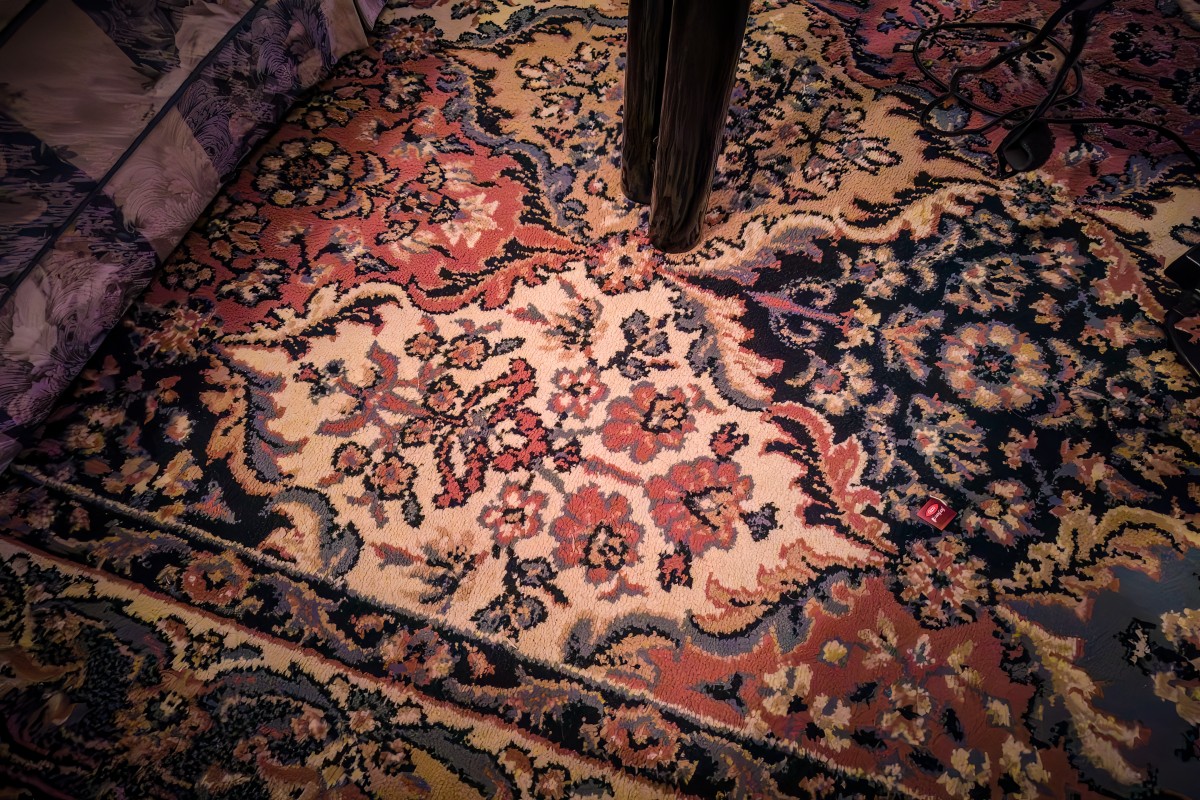
Executing timely antique rug maintenance for wool and silk routines becomes critical the moment autumn weather settles into your home. As seasons shift from warm, moisture-laden air to crisp, dry fall temperatures, indoor relative humidity can drop dramatically within days. Both sheep’s wool and spun silk are hygroscopic, natural protein fibers that respond directly to the ambient atmosphere around them. When the surrounding air dries out or fluctuates erratically, hand-knotted textiles experience physical stress that threatens their foundation, pile texture, and dye stability.
In this comprehensive guide, we examine the cellular science of how autumn climate transitions impact delicate warps and wefts, contrast the vulnerabilities of wool versus pure silk, outline warning signs like dry rot and brittle knotting, detail proven preventive care habits for changing weather, and explain why booking an expert evaluation with Rose Oriental Rugs in Berkeley provides the safest defense for your heirloom investments.
The Hygroscopic Nature of Natural Rug Fibers
Understanding the foundations of antique rug maintenance for wool and silk requires looking at how raw natural proteins interact with atmospheric vapor. Wool and silk absorb and release moisture continuously to equalize with ambient indoor conditions.
- Wool’s Exterior Scale Structure: Wool fibers feature an outer protective layer of overlapping cuticle scales coated with natural lanolin. The interior cortex contains keratin proteins that absorb up to 30 percent of their dry weight in vapor without feeling damp to the touch. When relative humidity plummets below 40 percent in autumn, wool sheds this internal moisture rapidly, leaving individual fibers stiff, less elastic, and susceptible to snapping under daily foot traffic.
- Silk’s Crystalline Core: Silk consists of fibroin filaments bound by natural sericin gums. Unlike wool’s crimped, springy structure, silk has a continuous, triangular crystalline structure that refracts light. Silk contains less natural oil than wool, making it even more vulnerable to sudden dryness. Dry silk loses tensile strength quickly, causing high-sheen piles to feel rough or chalky.
When central heating kicks on during the first chilly evenings of October and November, warm air draws moisture straight from antique foundations. If a hand-knotted piece cannot regulate this loss smoothly, microscopic cracks begin forming along the warp and weft threads.
Moisture Swings: Dry Rot vs. Hidden Mold Growth
Balancing humidity levels forms the core challenge of antique rug maintenance for wool and silk during the transition between humid summer days and dry fall nights. Extremes in either direction create distinct structural hazards.
| Moisture Hazard | Primary Mechanism | High-Risk Locations | Visible & Tactile Warning Signs |
| Dry Rot (Cellulose/Protein Degradation) | Chronic cycles of moisture followed by arid heating sap elasticity from cotton foundations and wool pile | Near heating baseboards, floor vents, fireplaces, uninsulated subfloors | Stiff, cardboard-like handling; audible cracking when rolled or folded |
| Mold & Mildew Spores | Damp cool air trapped beneath floor level; relative humidity exceeding 65% | Basements, stone floors, poorly ventilated rooms under heavy furniture | Musty odor, dark discoloration along back knots, white chalky powdery residue |
| Fiber Brittleness | Accelerated moisture loss caused by forced-air heating; loss of lanolin resilience | High-traffic entryways, direct sunlight across south-facing windows | Excessive shedding of short broken pile fibers during regular vacuuming |
Dry rot is irreversible once foundation fibers fracture. Maintaining home relative humidity between 45% and 55% during the fall months prevents warp yarns from drying out to the point of structural failure.
Fall Pest Risks: Why Clothes Moths Target Stressed Rugs
Seasonal pest prevention is an essential component of antique rug maintenance for wool and silk every autumn. As outdoor temperatures fall, adult webbing clothes moths (Tineola bisselliella) and carpet beetles seek warm, quiet, indoor environments to deposit eggs.
Moth larvae feed exclusively on animal proteins, targeting keratin in wool and fibroin in silk. They rarely attack bright, active zones in the center of a living room; instead, female moths deposit clusters of microscopic eggs deep inside areas where environmental conditions remain undisturbed:
- The dark, compressed perimeter beneath low credenzas, sofas, and heavy armoires.
- The unwashed fibers along back fringes where dust, fine dander, and microscopic pet hair accumulate.
- Rugs rolled up and placed in unheated closets, attics, or storage sheds without climate monitoring.
Larvae quickly sever hand-tied knots right at the foundation base. Because autumn indoor heating speeds up egg incubation, an unaddressed fall infestation can consume inches of antique pile within weeks.
Practical Checklist for Seasonal Care and Protection
Consistent household habits support long-term antique rug maintenance and protect textiles from sudden seasonal stress.
- Reposition Away From Direct Air Streams: Ensure your rug does not sit directly over forced-air heat vents or beside radiant floor heaters. Hot air blowing directly onto vegetable-dyed wool strips lanolin rapidly, creating localized brittle patches.
- Rotate Every Fall and Spring: Rotate your rug 180 degrees every six months. This distributes foot-traffic friction evenly and prevents uneven fading or localized moisture buildup under furniture resting against exterior walls.
- Use Dense Breathable Rug Cushioning: Never place an antique hand-knotted piece directly on cold, uninsulated hardwood or concrete floors without a dense, natural-rubber and felt pad. A high-quality pad provides thermal insulation, dampens floor vibration, and allows air to circulate underneath the weave.
- Vacuum With Care: Switch off motorized beater bars. Aggressive rotating bristles grab fine silk threads and unravel antique wool fringes. Use suction-only attachments or an upholstery brush, sweeping gently in the direction of the pile slant.
- Inspect the Underside Quarterly: Flip back the corners and edges of your rug. Inspect the back mesh for gritty soil buildup, webbing tubes, or stiffness. If the back feels rigid or sounds crunchy when bent, the foundation is lacking vital moisture.
Why Professional Immersion Washing Matters for Fine Weaves
Home vacuuming and spot cleaning cannot substitute for professional antique rug maintenance for wool and silk performed by trained conservators. Over months of use, sharp silica dust, pulverized street soil, and microscopic pollen settle deep into the root of each knot.
When relative humidity drops in the autumn, these grit particles harden like tiny chisels against dry warp and weft yarns. Every footstep presses these rigid abrasive particles into the wool, slicing fibers from the inside out.
Home carpet-cleaning machines and steam wands should never touch antique Persian textiles. Hot steam strips protective lanolin, melts delicate silk glazes, and injects scalding water into the foundation without extracting it, creating the perfect nursery for mold and dye runs.
For Bay Area collectors, homeowners, and interior designers, scheduling seasonal care with Rose Oriental Rugs in Berkeley ensures your heirloom textiles receive the focused attention they need. Located on College Avenue in the Elmwood district, their master artisans specialize in traditional hand-washing, organic plant-safe rinses, specialized moth treatment, and precision re-weaving. Their team assesses the age, knot density, and vegetable dye composition of each piece before creating a custom wash-and-dry cycle that restores natural bounce and hydration to aged fibers.
Frequently Asked Questions
How does dry indoor heating damage antique wool and silk rugs?
Forced-air indoor heating lowers indoor relative humidity, which extracts moisture from wool and silk fibers. Without balanced moisture, wool loses its natural lanolin resilience and silk becomes brittle. This dehydration makes individual knots more likely to snap under regular foot traffic and can cause the underlying cotton foundation to develop dry rot.
What is the ideal humidity level for antique Persian rugs?
The ideal indoor relative humidity for preserving hand-knotted wool and silk rugs is between 45% and 55%. If levels drop below 35%, consider running an evaporative humidifier in the room. If humidity exceeds 65%, use dehumidification or improve air circulation to prevent mold and mildew growth.
Can I clean an antique silk rug with a home carpet cleaner?
No. Home carpet cleaning extractors and rental shampoo machines use harsh detergents, high heat, and saturated water injection that can permanently bleed natural vegetable dyes and dissolve the delicate sericin protein in silk fibers. Antique silk textiles should only be hand-washed by experienced textile conservators.
How do I know if my rug has moth damage or larvae?
Inspect low-light areas beneath heavy furniture. Signs of moth activity include sticky, cobweb-like webbing trails, tiny rice-grain-sized silken cocoons, sandy granular droppings (frass) matching the rug’s color, and bare foundation patches where the pile has cleanly disappeared.
Why do antique rugs shed more in the fall and winter?
Increased shedding in the autumn often signals dry indoor air. When low humidity saps moisture from the wool, hair shafts become brittle and break off at the surface during walking or vacuuming. Conditioning washes and proper indoor humidity levels will resolve this problem.
How often should an antique Persian rug receive deep professional cleaning?
Heirloom rugs in moderate-use living spaces should undergo a professional immersion wash every 2 to 4 years. High-traffic entry rugs or homes with pets benefit from professional inspections and dust removal every 12 to 18 months to prevent soil buildup from grinding down foundation knots.
Protect Your Heirlooms This Season
Seasonal shifts should not compromise the condition, color, or longevity of your hand-knotted investments. By monitoring room humidity, keeping heating vents diverted, and addressing fiber dehydration early in the season, you protect your rugs from preventable structural damage.
If your rugs feel dry, show signs of uneven wear, or have not had an authentic submersion cleaning in recent years, contact Rose Oriental Rugs in Berkeley. Book a personalized consultation or drop by their Elmwood showroom to speak with experienced textile artisans dedicated to preserving the history and structural integrity of your collection.